Word Explanation
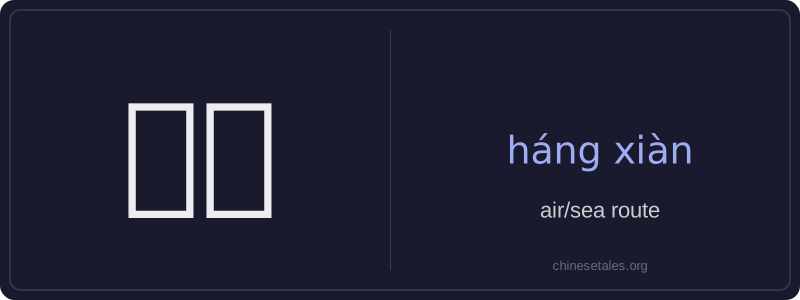
‘航线’ (háng xiàn) literally combines ‘航’ (háng), meaning ‘to sail’ or ‘to fly’, and ‘线’ (xiàn), meaning ‘line’ or ‘route’. Together, it refers to a designated path or corridor used for transportation—most commonly for aircraft or ships. It implies an officially planned, regularly operated, and often regulated route between two or more points.
This term is widely used in aviation and maritime contexts: airlines publish their flight routes as ‘航线’, while shipping companies refer to sea passages—such as those across the South China Sea—as ‘航线’. It can also appear in logistics, tourism, and government transport planning. Unlike casual terms like ‘路线’ (lù xiàn, general route), ‘航线’ carries a formal, technical connotation and almost always refers to long-distance, scheduled, or commercial transport corridors.
Example Sentences
Related Words
国语
‘Guó yǔ’ literally means 'national language'—
无论谁
‘无论谁’ (wú lùn shéi) is a pronoun meaning
面条
‘面条’ (miàn tiáo) literally means ‘flour str
认同
‘认同’ (tóng rèn) is a verb meaning ‘to ident
背后
背后 literally means 'back + behind' and functions
外语
‘外语’ literally means ‘outside language’ —
认为
‘认为’ (rèn wéi) is a transitive verb meaning
不对
不对 (bù duì) literally combines 不 (bù), meani