Word Explanation
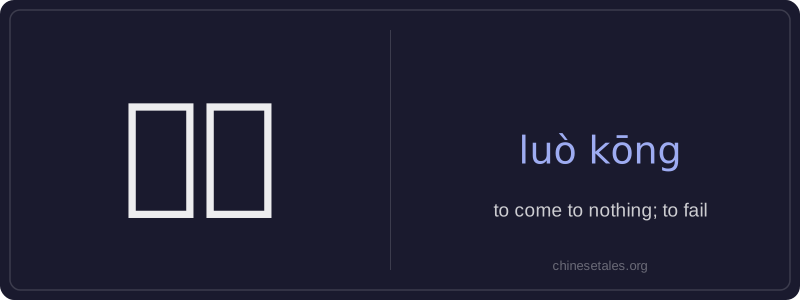
落空 (luò kōng) is a verb meaning 'to come to nothing' or 'to fail' — especially when hopes, plans, expectations, or efforts do not materialize. Literally, 落 means 'to fall' or 'to land', and 空 means 'empty' or 'void'; together, they evoke the image of something falling into emptiness — suggesting disappointment or unfulfilled intention. It’s commonly used with subjects like plans, hopes, expectations, promises, or attempts.
This word carries a tone of regret or mild disappointment and appears frequently in spoken and written Chinese when describing unrealized outcomes. It’s often paired with nouns such as 希望 (hopes), 计划 (plans), 承诺 (promises), or 努力 (efforts). While not formal or literary per se, it’s more common in mature, natural speech than in very casual slang — and it’s rarely used in isolation; it typically follows the noun it modifies (e.g., 希望落空, 计划落空).
Example Sentences
Related Words
国语
‘Guó yǔ’ literally means 'national language'—
无论谁
‘无论谁’ (wú lùn shéi) is a pronoun meaning
面条
‘面条’ (miàn tiáo) literally means ‘flour str
认同
‘认同’ (tóng rèn) is a verb meaning ‘to ident
背后
背后 literally means 'back + behind' and functions
外语
‘外语’ literally means ‘outside language’ —
认为
‘认为’ (rèn wéi) is a transitive verb meaning
不对
不对 (bù duì) literally combines 不 (bù), meani