Word Explanation
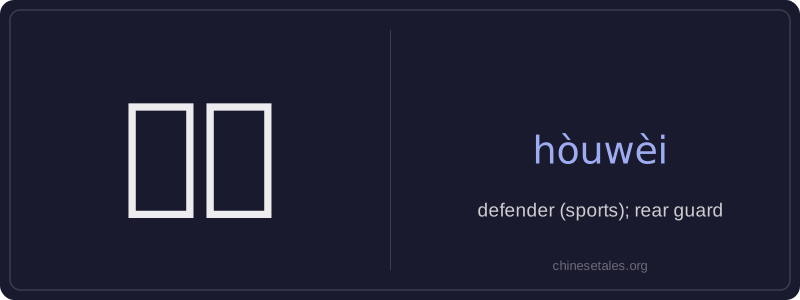
后卫 (hòuwèi) literally combines 后 (hòu, 'behind' or 'rear') and 卫 (wèi, 'to guard' or 'defend'), forming a compound meaning 'one who guards from behind'. In modern usage, it most commonly refers to a defensive player in team sports like soccer, basketball, or volleyball — someone positioned toward the back of the team’s formation to prevent the opposing team from scoring. It emphasizes protective positioning and strategic coverage rather than forward attack.
The term also retains its original military sense: 'rear guard' — a unit that protects the main force’s retreat or flank during movement. While this literal meaning appears in historical texts or formal descriptions, everyday speech almost always uses 后卫 in sports contexts. The word is neutral in register and widely understood across Chinese-speaking regions, though in casual conversation, people may shorten it to '卫' only in very informal team banter — not recommended for learners.
Example Sentences
Related Words
国语
‘Guó yǔ’ literally means 'national language'—
面条
‘面条’ (miàn tiáo) literally means ‘flour str
无论谁
‘无论谁’ (wú lùn shéi) is a pronoun meaning
外语
‘外语’ literally means ‘outside language’ —
认同
‘认同’ (tóng rèn) is a verb meaning ‘to ident
不对
不对 (bù duì) literally combines 不 (bù), meani
中学
'Zhōngxué' literally combines 'zhōng' (middle)
背后
背后 literally means 'back + behind' and functions