Word Explanation
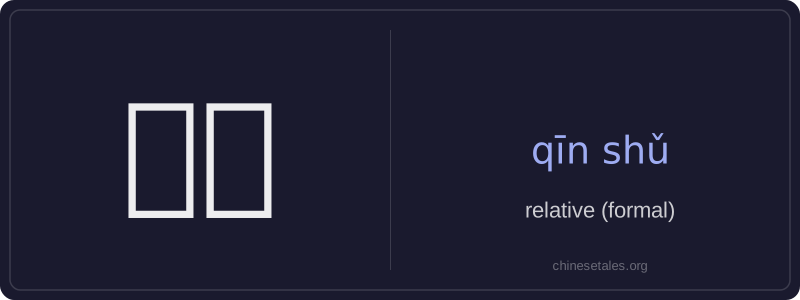
'亲属' (qīn shǔ) is a formal noun meaning 'relative' — anyone connected to you by blood or marriage, such as parents, siblings, cousins, aunts, uncles, grandparents, in-laws, and sometimes even step-relatives. The first character 亲 (qīn) means 'close,' 'intimate,' or 'blood-related,' while 属 (shǔ) means 'to belong to' or 'category'; together, they literally convey 'those who belong to one’s close kin group.' This term is commonly used in official, legal, medical, or administrative contexts — for example, on forms, hospital records, or inheritance documents — rather than in casual daily speech.
In everyday conversation, native speakers tend to use specific kinship terms (e.g., 哥哥 gēge 'older brother', 表姐 biǎo jiě 'maternal cousin, older female') or the more general and neutral word 家人 (jiārén 'family members'). '亲属' carries a slightly bureaucratic or institutional tone and is rarely used in warm, personal storytelling or informal introductions.
Example Sentences
Related Words
国语
‘Guó yǔ’ literally means 'national language'—
面条
‘面条’ (miàn tiáo) literally means ‘flour str
无论谁
‘无论谁’ (wú lùn shéi) is a pronoun meaning
外语
‘外语’ literally means ‘outside language’ —
认同
‘认同’ (tóng rèn) is a verb meaning ‘to ident
不对
不对 (bù duì) literally combines 不 (bù), meani
中学
'Zhōngxué' literally combines 'zhōng' (middle)
背后
背后 literally means 'back + behind' and functions