Word Explanation
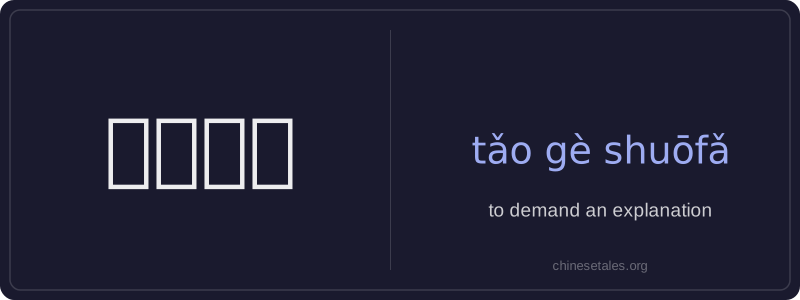
'Tǎo gè shuōfǎ' literally means 'to seek a statement/method' — but idiomatically, it expresses the strong, often emotional act of demanding a clear, satisfactory explanation or justification, especially when one feels wronged, misled, or treated unfairly. The verb 讨 (tǎo) conveys active pursuit or insistence; 个 (gè) is a generic classifier; 说 (shuō) means 'to speak' or 'statement'; and 法 (fǎ) here implies 'method', 'principle', or 'account'. Together, they form a fixed colloquial phrase emphasizing moral or procedural accountability.
This expression is commonly used in interpersonal conflicts, consumer complaints, workplace disputes, or public grievances — anywhere fairness, transparency, or respect is at stake. It carries emotional weight: the speaker isn’t just asking politely but asserting a right to clarity and redress. While not inherently aggressive, it signals seriousness and a refusal to let an issue go unaddressed.
Example Sentences
Related Words
国语
‘Guó yǔ’ literally means 'national language'—
面条
‘面条’ (miàn tiáo) literally means ‘flour str
无论谁
‘无论谁’ (wú lùn shéi) is a pronoun meaning
外语
‘外语’ literally means ‘outside language’ —
认同
‘认同’ (tóng rèn) is a verb meaning ‘to ident
不对
不对 (bù duì) literally combines 不 (bù), meani
中学
'Zhōngxué' literally combines 'zhōng' (middle)
背后
背后 literally means 'back + behind' and functions