Word Explanation
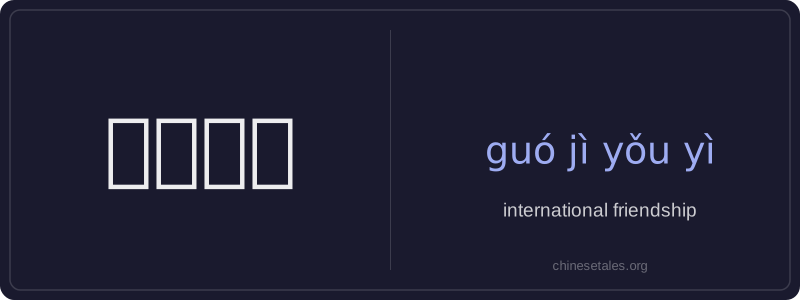
International friendship (guó jì yǒu yì) is a formal noun referring to friendly relations between nations or peoples of different countries. The term combines four characters: 国 (guó, 'country' or 'nation'), 际 (jì, 'between' or 'inter-'), 友 (yǒu, 'friend'), and 谊 (yì, 'friendship' or 'bond'). Together, they literally mean 'friendship between nations' — emphasizing mutual respect, cooperation, and goodwill across borders. It is commonly used in diplomatic, cultural, and educational contexts, such as international exchange programs, sister-city agreements, or peace initiatives.
This phrase carries a positive, official tone and appears frequently in news reports, government statements, and academic discussions about global cooperation. Unlike casual terms like 朋友 (péng you, 'friend'), 国际友谊 implies structured, institutionalized relationships — often fostered through treaties, joint projects, or people-to-people exchanges. It reflects China’s emphasis on peaceful coexistence and win-win development in foreign policy discourse.
Example Sentences
Related Words
国语
‘Guó yǔ’ literally means 'national language'—
面条
‘面条’ (miàn tiáo) literally means ‘flour str
无论谁
‘无论谁’ (wú lùn shéi) is a pronoun meaning
不对
不对 (bù duì) literally combines 不 (bù), meani
外语
‘外语’ literally means ‘outside language’ —
认同
‘认同’ (tóng rèn) is a verb meaning ‘to ident
中学
'Zhōngxué' literally combines 'zhōng' (middle)
背后
背后 literally means 'back + behind' and functions