Word Explanation
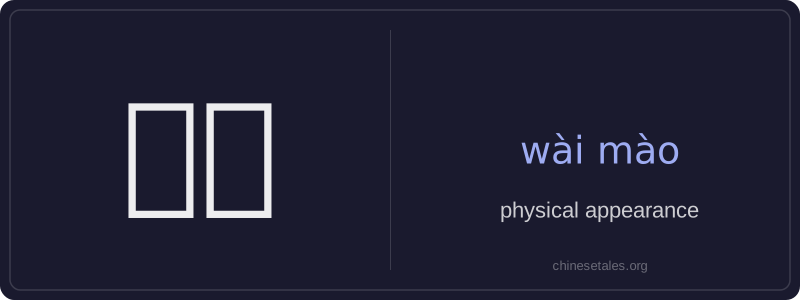
外貌 (wài mào) literally combines 外 (wài), meaning 'outside' or 'external,' and 貌 (mào), meaning 'appearance' or 'looks.' Together, they refer specifically to a person’s or animal’s physical appearance — including facial features, body shape, height, skin tone, hair, and overall visual impression. It is a neutral, formal term commonly used in descriptions, evaluations, or comparisons, especially in contexts like job interviews, medical reports, or animal breeding.
Unlike more casual words like 长相 (cháng xiàng) or 样子 (yàng zi), 外貌 carries a slightly objective, observational tone — often implying an assessment based on visible traits rather than subjective beauty. It appears frequently in written Chinese and formal speech, and can describe humans or animals alike, though it’s rarely used for inanimate objects.
Example Sentences
Related Words
国语
‘Guó yǔ’ literally means 'national language'—
面条
‘面条’ (miàn tiáo) literally means ‘flour str
无论谁
‘无论谁’ (wú lùn shéi) is a pronoun meaning
不对
不对 (bù duì) literally combines 不 (bù), meani
外语
‘外语’ literally means ‘outside language’ —
认同
‘认同’ (tóng rèn) is a verb meaning ‘to ident
中学
'Zhōngxué' literally combines 'zhōng' (middle)
背后
背后 literally means 'back + behind' and functions