Word Explanation
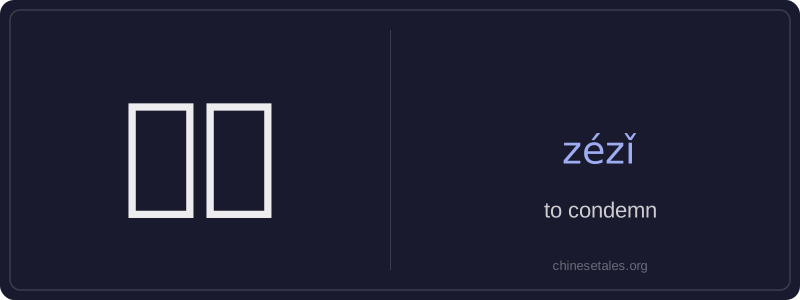
谴责 means 'to condemn' — expressing strong disapproval, especially in moral or ethical matters. It combines two characters: 谴 (qiǎn), meaning 'to reprimand' or 'to censure', and 责 (zé), meaning 'to blame' or 'to hold responsible'. Together, they form a formal, weighty verb emphasizing public or official moral judgment, not casual criticism. It is commonly used in news reports, political statements, academic writing, and formal speeches.
This word carries a serious, solemn tone and implies collective or institutional disapproval — for example, governments condemning human rights violations, media criticizing unethical behavior, or international organizations denouncing aggression. Unlike everyday words like 批评 (to criticize), 谴责 suggests a higher level of moral outrage and often precedes or accompanies concrete actions like sanctions or diplomatic measures. It is rarely used in casual conversation and almost never with light or humorous intent.
Example Sentences
Related Words
国语
‘Guó yǔ’ literally means 'national language'—
面条
‘面条’ (miàn tiáo) literally means ‘flour str
无论谁
‘无论谁’ (wú lùn shéi) is a pronoun meaning
不对
不对 (bù duì) literally combines 不 (bù), meani
外语
‘外语’ literally means ‘outside language’ —
认同
‘认同’ (tóng rèn) is a verb meaning ‘to ident
中学
'Zhōngxué' literally combines 'zhōng' (middle)
背后
背后 literally means 'back + behind' and functions