Word Explanation
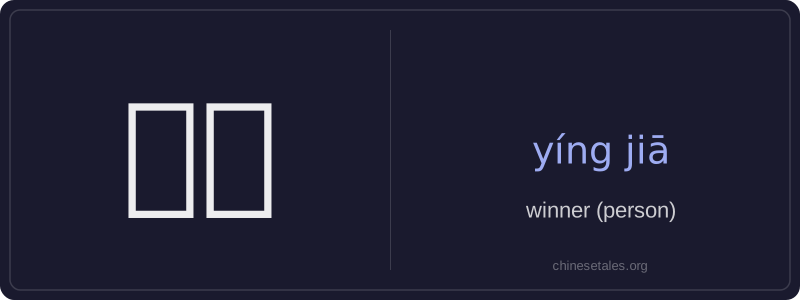
'赢家' literally combines '赢' (yíng), meaning 'to win' or 'to gain', and '家' (jiā), meaning 'person' or 'expert' — together forming a noun meaning 'winner' in the sense of a person who wins a contest, competition, negotiation, or advantageous situation. It emphasizes the human agent of victory, not just the abstract result.
This word is commonly used in both formal and informal contexts — from sports commentary ('决赛的赢家') and business reports ('这场并购的赢家') to everyday conversation ('谁是这场辩论的赢家?'). Unlike '胜者' (shèng zhě), which sounds more literary or solemn, '赢家' carries a pragmatic, sometimes even strategic or opportunistic nuance — suggesting someone who gains advantage, not merely who prevails by force or rule. It rarely refers to animals or natural phenomena unless used metaphorically.
Example Sentences
Related Words
国语
‘Guó yǔ’ literally means 'national language'—
面条
‘面条’ (miàn tiáo) literally means ‘flour str
无论谁
‘无论谁’ (wú lùn shéi) is a pronoun meaning
不对
不对 (bù duì) literally combines 不 (bù), meani
外语
‘外语’ literally means ‘outside language’ —
认同
‘认同’ (tóng rèn) is a verb meaning ‘to ident
中学
'Zhōngxué' literally combines 'zhōng' (middle)
背后
背后 literally means 'back + behind' and functions