Word Explanation
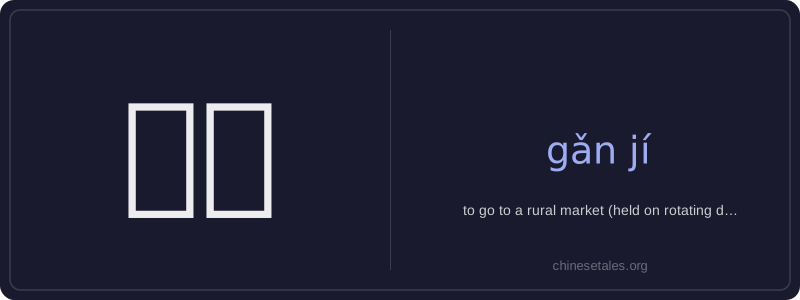
赶集 (gǎn jí) literally means 'to rush to a gathering' — the character 赶 conveys urgency or going purposefully, while 集 means 'gathering' or 'assembly'. Historically, rural communities in China held periodic markets on fixed days (e.g., every third or fifth day), rotating among nearby villages. People would travel to these markets to buy daily necessities, sell farm produce, trade livestock, and socialize. The practice reflects traditional agrarian life and remains culturally significant, especially in northern and central China.
Today, 赶集 retains its core meaning but may also evoke nostalgia or regional identity. It’s not used for modern shopping malls or supermarkets — it specifically refers to traditional, open-air, cyclical rural markets. While less common in urban areas, many towns still hold regular集市 (jíshì, 'markets'), and older generations often use 赶集 to describe the act of attending them, emphasizing community rhythm and seasonal livelihoods.
Example Sentences
Related Words
国语
‘Guó yǔ’ literally means 'national language'—
面条
‘面条’ (miàn tiáo) literally means ‘flour str
无论谁
‘无论谁’ (wú lùn shéi) is a pronoun meaning
不对
不对 (bù duì) literally combines 不 (bù), meani
外语
‘外语’ literally means ‘outside language’ —
认同
‘认同’ (tóng rèn) is a verb meaning ‘to ident
中学
'Zhōngxué' literally combines 'zhōng' (middle)
背后
背后 literally means 'back + behind' and functions