Word Explanation
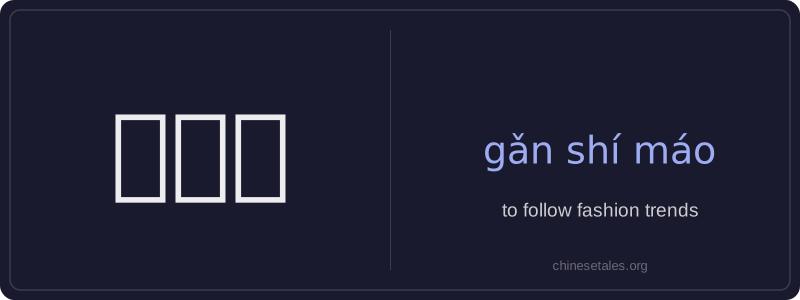
赶时髦 (gǎn shí máo) literally means 'to rush after current trends' — '赶' implies haste or chasing, '时' means 'time' or 'current', and '髦' originally referred to stylish hairdos in ancient China but now signifies fashionableness. Together, the phrase describes the behavior of actively adopting the latest fashions, styles, or popular behaviors to appear modern and socially up-to-date.
This expression is commonly used in informal spoken and written Chinese, often with a slightly neutral or mildly teasing tone — it may suggest enthusiasm for novelty, but sometimes carries subtle connotations of superficiality or lack of personal style. It’s frequently applied to clothing, technology adoption (e.g., buying the newest smartphone), lifestyle choices, or even slang usage. Unlike formal terms like '追求时尚' (zhuīqiú shíshàng), 赶时髦 feels more colloquial and vivid, emphasizing the action of joining the crowd rather than cultivating individual taste.
Example Sentences
Related Words
国语
‘Guó yǔ’ literally means 'national language'—
面条
‘面条’ (miàn tiáo) literally means ‘flour str
无论谁
‘无论谁’ (wú lùn shéi) is a pronoun meaning
不对
不对 (bù duì) literally combines 不 (bù), meani
外语
‘外语’ literally means ‘outside language’ —
认同
‘认同’ (tóng rèn) is a verb meaning ‘to ident
中学
'Zhōngxué' literally combines 'zhōng' (middle)
背后
背后 literally means 'back + behind' and functions