Word Explanation
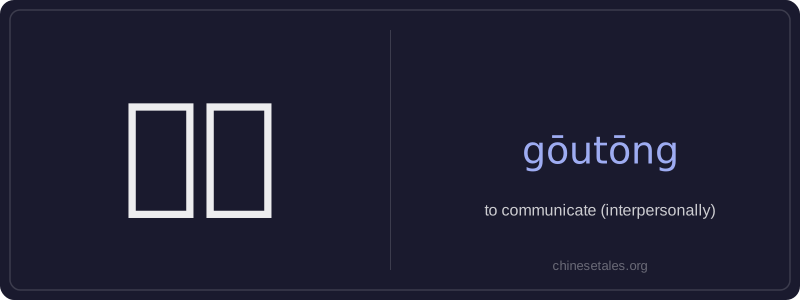
沟通 (gōutōng) means 'to communicate' — specifically, the two-way exchange of ideas, feelings, or information between people. It emphasizes mutual understanding and active listening, not just speaking. The character 沟 (gōu) literally means 'ditch' or 'channel', suggesting a pathway; 通 (tōng) means 'to connect' or 'to flow through'. Together, they evoke the image of creating an open channel for thoughts to flow smoothly between individuals.
This word is commonly used in interpersonal, professional, and educational contexts — such as discussing work tasks, resolving misunderstandings with family, or collaborating on a project. It’s more formal and intentional than casual chatting (聊天) and implies purposeful, constructive interaction. You’ll often see it in phrases like 沟通能力 (communication skills), 有效沟通 (effective communication), or 加强沟通 (strengthen communication). While it can appear in written or spoken Chinese, it’s rarely used for one-way broadcasting (e.g., announcements); true 沟通 requires reciprocity.
Example Sentences
Related Words
国语
‘Guó yǔ’ literally means 'national language'—
面条
‘面条’ (miàn tiáo) literally means ‘flour str
无论谁
‘无论谁’ (wú lùn shéi) is a pronoun meaning
不对
不对 (bù duì) literally combines 不 (bù), meani
外语
‘外语’ literally means ‘outside language’ —
认同
‘认同’ (tóng rèn) is a verb meaning ‘to ident
中学
'Zhōngxué' literally combines 'zhōng' (middle)
背后
背后 literally means 'back + behind' and functions