Word Explanation
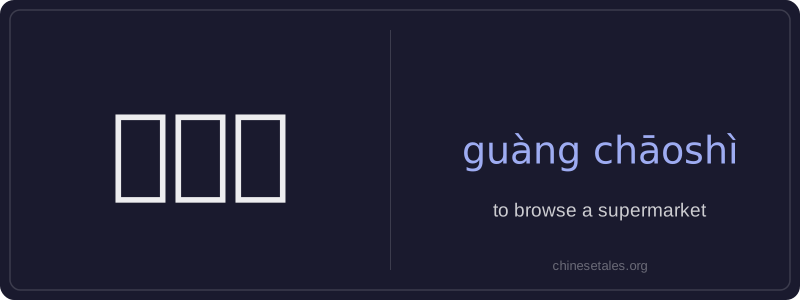
'逛超市' literally combines '逛' (to stroll, browse leisurely) and '超市' (supermarket). Unlike the verb '买' (to buy), 逛超市 emphasizes the activity of wandering through aisles without necessarily purchasing anything—it’s about browsing, window-shopping, or enjoying the atmosphere. The character '逛' conveys a relaxed, unhurried pace, often for pleasure or relaxation, while '超市' specifies the location: a large, self-service grocery store.
This phrase is commonly used in everyday spoken Chinese to describe casual weekend outings, family errands, or even social time—like going with friends just to see what’s new or grab a snack. It’s neutral in register, appropriate for both informal conversations and light writing, and frequently appears in contexts involving planning ('我们去逛超市吧'), recounting ('昨天我逛超市买了水果'), or describing habits ('她喜欢周末逛超市'). It reflects a distinctly modern, urban daily routine.
Example Sentences
Related Words
国语
‘Guó yǔ’ literally means 'national language'—
面条
‘面条’ (miàn tiáo) literally means ‘flour str
无论谁
‘无论谁’ (wú lùn shéi) is a pronoun meaning
不对
不对 (bù duì) literally combines 不 (bù), meani
外语
‘外语’ literally means ‘outside language’ —
认同
‘认同’ (tóng rèn) is a verb meaning ‘to ident
中学
'Zhōngxué' literally combines 'zhōng' (middle)
背后
背后 literally means 'back + behind' and functions