Word Explanation
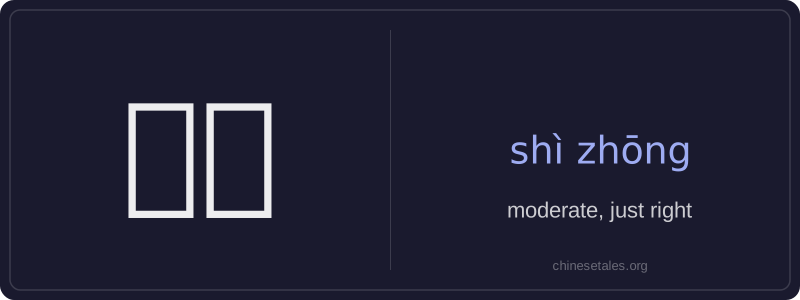
适中 literally combines 适 (shì), meaning 'suitable' or 'appropriate', and 中 (zhōng), meaning 'middle' or 'center'. Together, they convey the idea of something being 'in the middle'—neither excessive nor insufficient—and thus 'moderate', 'balanced', or 'just right'. The term emphasizes harmony and appropriateness in degree, intensity, or amount.
适中 is commonly used to describe qualities like temperature, portion size, effort level, tone of voice, or physical conditions—especially in health, lifestyle, and daily decision-making. It carries a positive, measured connotation, suggesting wisdom and self-awareness. While it can modify nouns directly (e.g., 适中的温度), it frequently appears after 是 or in descriptive clauses. It’s slightly formal but widely understood in spoken and written Mandarin, often appearing in advice about diet, exercise, or emotional regulation.
Example Sentences
Related Words
国语
‘Guó yǔ’ literally means 'national language'—
面条
‘面条’ (miàn tiáo) literally means ‘flour str
无论谁
‘无论谁’ (wú lùn shéi) is a pronoun meaning
不对
不对 (bù duì) literally combines 不 (bù), meani
外语
‘外语’ literally means ‘outside language’ —
认同
‘认同’ (tóng rèn) is a verb meaning ‘to ident
中学
'Zhōngxué' literally combines 'zhōng' (middle)
背后
背后 literally means 'back + behind' and functions