Word Explanation
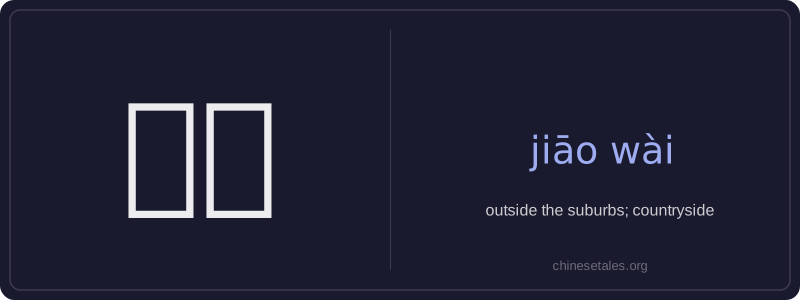
‘郊外’ literally combines ‘郊’ (jiāo), meaning ‘suburbs’ or ‘outskirts,’ and ‘外’ (wài), meaning ‘outside’ or ‘beyond.’ Together, they refer to the area beyond the suburbs — typically open, rural land with fields, forests, or small villages, distinct from both the urban center and the immediate suburbs. It evokes a sense of natural quiet and distance from city life.
This word is commonly used in travel, leisure, and environmental contexts — for example, when describing weekend outings, hiking trips, or wildlife observation. While it overlaps semantically with ‘countryside,’ 郊外 specifically implies proximity to a city; it’s not remote farmland but rather the transitional zone just outside urban development. It carries a neutral-to-positive connotation, often suggesting freshness, space, and relaxation.
Example Sentences
Related Words
国语
‘Guó yǔ’ literally means 'national language'—
面条
‘面条’ (miàn tiáo) literally means ‘flour str
无论谁
‘无论谁’ (wú lùn shéi) is a pronoun meaning
不对
不对 (bù duì) literally combines 不 (bù), meani
外语
‘外语’ literally means ‘outside language’ —
认同
‘认同’ (tóng rèn) is a verb meaning ‘to ident
中学
'Zhōngxué' literally combines 'zhōng' (middle)
背后
背后 literally means 'back + behind' and functions