Word Explanation
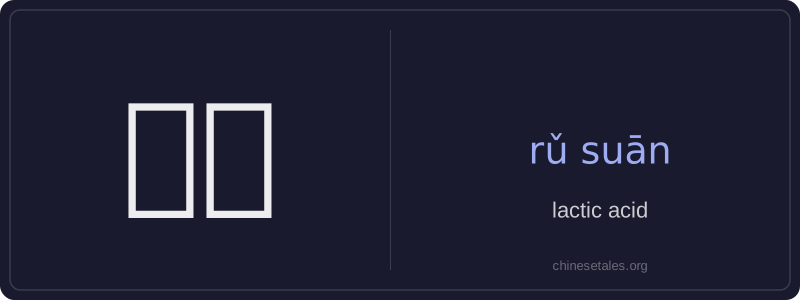
‘乳酸’ (rǔ suān) literally means ‘milk acid’, combining 乳 (rǔ), meaning ‘milk’, and 酸 (suān), meaning ‘acid’. It is the chemical compound lactic acid, produced naturally in muscles during intense physical activity when oxygen levels are low, and also found in fermented dairy products like yogurt and sour milk. In biochemistry, it plays a key role in energy metabolism and muscle fatigue.
In everyday Chinese, 乳酸 appears frequently in health, sports science, and food contexts — for example, discussing post-exercise soreness (‘乳酸堆积’), probiotic benefits of fermented foods, or food labeling (e.g., ‘含乳酸’). While the character 乳 suggests a dairy origin, lactic acid is not exclusive to milk; it’s also generated by bacterial fermentation in vegetables (e.g., pickles) and human tissues. Its usage is neutral and technical, common in both scientific writing and general health discussions.
Example Sentences
Related Words
国语
‘Guó yǔ’ literally means 'national language'—
面条
‘面条’ (miàn tiáo) literally means ‘flour str
无论谁
‘无论谁’ (wú lùn shéi) is a pronoun meaning
不对
不对 (bù duì) literally combines 不 (bù), meani
外语
‘外语’ literally means ‘outside language’ —
认同
‘认同’ (tóng rèn) is a verb meaning ‘to ident
中学
'Zhōngxué' literally combines 'zhōng' (middle)
背后
背后 literally means 'back + behind' and functions