Word Explanation
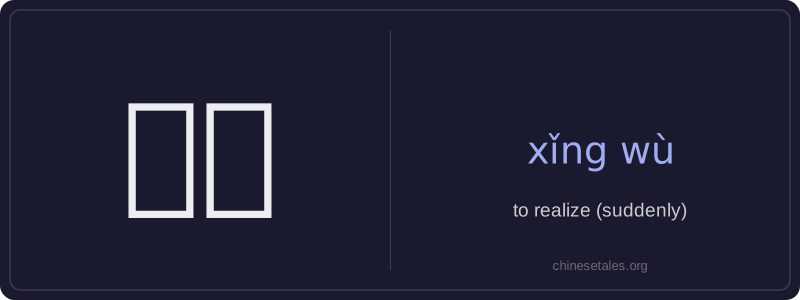
醒悟 (xǐng wù) is a verb meaning 'to realize suddenly' or 'to have a sudden awakening' — often after a period of confusion, denial, or ignorance. The character 醒 means 'to wake up' (literally or figuratively), and 悟 means 'to comprehend' or 'to grasp deeply'. Together, they evoke the image of waking from mental slumber and immediately understanding a truth that was previously hidden. This word carries emotional weight: it usually describes a moment of clarity that changes one’s perspective, values, or behavior.
醒悟 commonly appears in reflective or narrative contexts — such as personal growth stories, moral lessons, or psychological insights. It implies not just intellectual understanding but an emotional, often life-altering, shift. Unlike neutral verbs like 明白 (míngbai, 'to understand'), 醒悟 suggests a turning point: a realization that leads to action or change. It's frequently used with subjects who've been deceived, misguided, or self-deceived — and then 'snap out of it'.
Example Sentences
Related Words
国语
‘Guó yǔ’ literally means 'national language'—
面条
‘面条’ (miàn tiáo) literally means ‘flour str
无论谁
‘无论谁’ (wú lùn shéi) is a pronoun meaning
不对
不对 (bù duì) literally combines 不 (bù), meani
外语
‘外语’ literally means ‘outside language’ —
认同
‘认同’ (tóng rèn) is a verb meaning ‘to ident
中学
'Zhōngxué' literally combines 'zhōng' (middle)
背后
背后 literally means 'back + behind' and functions