Word Explanation
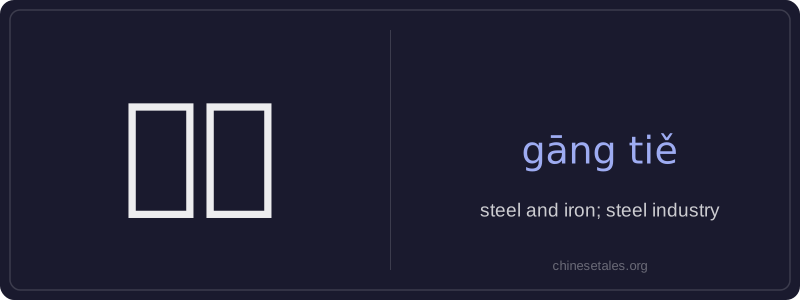
钢铁 literally means 'steel and iron' — combining 钢 (gāng, 'steel') and 铁 (tiě, 'iron'). Though it refers to both metals, in modern usage it most commonly denotes the integrated steel industry or heavy industrial infrastructure, especially in economic, political, or historical contexts. It evokes images of blast furnaces, factories, and national industrial capacity — much like how 'steel' symbolizes strength and development in English.
The term is rarely used to describe raw materials in everyday conversation (e.g., you wouldn’t say 钢铁 for a steel spoon); instead, it appears in formal, institutional, or macro-level discourse — such as government reports, news about manufacturing, urban planning, or discussions of China’s industrial heritage. It often carries connotations of resilience, foundational power, and large-scale production.
Example Sentences
Related Words
国语
‘Guó yǔ’ literally means 'national language'—
面条
‘面条’ (miàn tiáo) literally means ‘flour str
无论谁
‘无论谁’ (wú lùn shéi) is a pronoun meaning
不对
不对 (bù duì) literally combines 不 (bù), meani
外语
‘外语’ literally means ‘outside language’ —
认同
‘认同’ (tóng rèn) is a verb meaning ‘to ident
中学
'Zhōngxué' literally combines 'zhōng' (middle)
背后
背后 literally means 'back + behind' and functions