Word Explanation
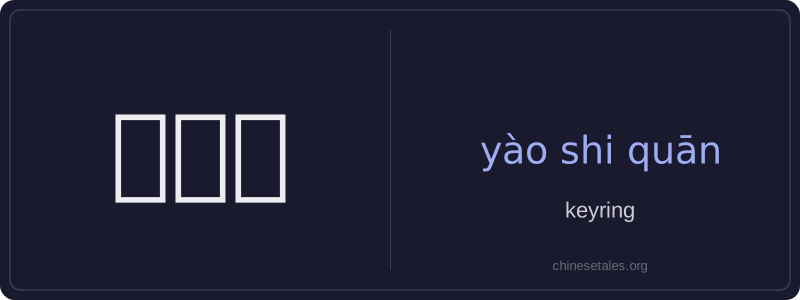
A yàoshi quān (keyring) is a small ring—usually metal or plastic—used to hold multiple keys together. The word combines three characters: yào (key), shi (a grammatical particle that forms the compound yàoshi, meaning 'key'), and quān (ring or loop). Though yào and shi together mean 'key', they function as a fixed noun, and quān specifies the circular object that organizes them. Keyrings are everyday items found in homes, offices, and shops, often personalized with charms or logos.
In Chinese, yàoshi quān is used in practical contexts—like buying, losing, or attaching keys—and rarely appears in formal writing. It’s neutral in register and commonly heard in spoken Mandarin during conversations about personal belongings or daily organization. Unlike English, Chinese doesn’t distinguish between 'keyring' (the ring itself) and 'keychain' (often including decorative elements); both are covered by yàoshi quān.
Example Sentences
Related Words
国语
‘Guó yǔ’ literally means 'national language'—
面条
‘面条’ (miàn tiáo) literally means ‘flour str
无论谁
‘无论谁’ (wú lùn shéi) is a pronoun meaning
不对
不对 (bù duì) literally combines 不 (bù), meani
外语
‘外语’ literally means ‘outside language’ —
认同
‘认同’ (tóng rèn) is a verb meaning ‘to ident
中学
'Zhōngxué' literally combines 'zhōng' (middle)
背后
背后 literally means 'back + behind' and functions