Word Explanation
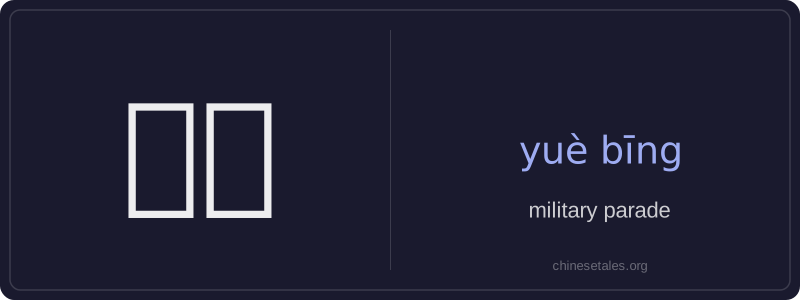
‘阅兵’ (yuè bīng) literally means ‘to review troops’: 阅 (yuè) means ‘to inspect’ or ‘to review’, and 兵 (bīng) means ‘soldiers’ or ‘military forces’. Together, the term refers specifically to a formal military parade — a ceremonial display of armed forces, often held on national holidays, anniversaries of major historical events, or during state visits. It emphasizes discipline, unity, and national strength, featuring marching units, military hardware, and sometimes aerial flyovers.
This word is used almost exclusively in formal, official, or news-related contexts — you’ll hear it on TV broadcasts, in government announcements, or in history textbooks. It’s not used for casual gatherings or school events. While ‘parade’ in English can refer to many kinds of processions, ‘阅兵’ always implies a state-organized, armed-forces-centered ceremony with political and symbolic significance.
Example Sentences
Related Words
国语
‘Guó yǔ’ literally means 'national language'—
面条
‘面条’ (miàn tiáo) literally means ‘flour str
无论谁
‘无论谁’ (wú lùn shéi) is a pronoun meaning
不对
不对 (bù duì) literally combines 不 (bù), meani
外语
‘外语’ literally means ‘outside language’ —
认同
‘认同’ (tóng rèn) is a verb meaning ‘to ident
中学
'Zhōngxué' literally combines 'zhōng' (middle)
背后
背后 literally means 'back + behind' and functions