Word Explanation
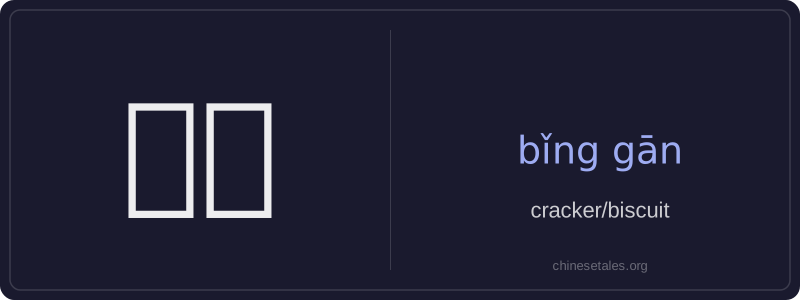
饼干 (bǐng gān) means 'cracker' or 'biscuit' — a dry, baked snack commonly eaten with tea, coffee, or as a quick snack. The character 饼 (bǐng) originally refers to flat, round food items like pancakes or cakes, while 干 (gān) means 'dry' — together they literally suggest 'dry, flat food,' reflecting the crisp, low-moisture texture typical of most biscuits and crackers in Chinese culinary usage.
This word is widely used across mainland China, Taiwan, and other Mandarin-speaking regions. It covers a broad category: from plain salted crackers to sweet, chocolate-coated cookies. Unlike English, where 'biscuit' and 'cookie' may imply different textures or sweetness levels, 饼干 is a neutral, umbrella term — context or modifiers (e.g., 甜饼干 'sweet biscuit', 苏打饼干 'soda cracker') specify type. It’s common in supermarkets, school lunches, and gift boxes during festivals.
Example Sentences
Related Words
国语
‘Guó yǔ’ literally means 'national language'—
面条
‘面条’ (miàn tiáo) literally means ‘flour str
无论谁
‘无论谁’ (wú lùn shéi) is a pronoun meaning
不对
不对 (bù duì) literally combines 不 (bù), meani
外语
‘外语’ literally means ‘outside language’ —
认同
‘认同’ (tóng rèn) is a verb meaning ‘to ident
中学
'Zhōngxué' literally combines 'zhōng' (middle)
背后
背后 literally means 'back + behind' and functions