Word Explanation
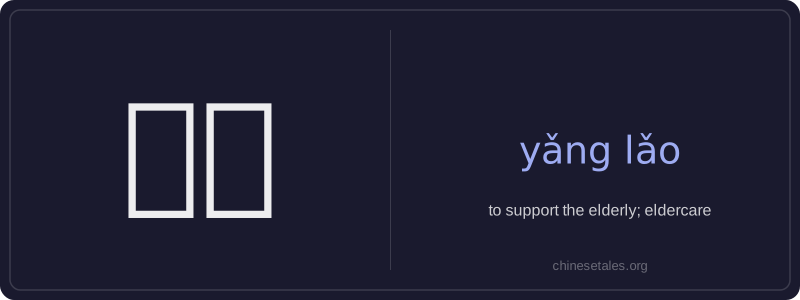
‘养老’ literally combines 养 (yǎng), meaning 'to raise, nurture, or support', and 老 (lǎo), meaning 'elderly' or 'old'. Together, it refers to the act or system of supporting, caring for, and providing for older people—especially in terms of daily needs, health, housing, and financial security. It is commonly used in both personal and societal contexts, such as family-based eldercare or national pension and long-term care policies.
The term carries strong cultural weight in Chinese society, reflecting Confucian values of filial piety (xiào). While it can function as a verb (e.g., 我们要养老), it most frequently appears as a noun—e.g., 养老服务 (elderly care services), 养老金 (pension), or 养老院 (nursing home). It does not refer to animal care or retirement as a leisure activity, but specifically to the holistic support of aging people.
Example Sentences
Related Words
国语
‘Guó yǔ’ literally means 'national language'—
面条
‘面条’ (miàn tiáo) literally means ‘flour str
无论谁
‘无论谁’ (wú lùn shéi) is a pronoun meaning
不对
不对 (bù duì) literally combines 不 (bù), meani
外语
‘外语’ literally means ‘outside language’ —
认同
‘认同’ (tóng rèn) is a verb meaning ‘to ident
中学
'Zhōngxué' literally combines 'zhōng' (middle)
背后
背后 literally means 'back + behind' and functions