Word Explanation
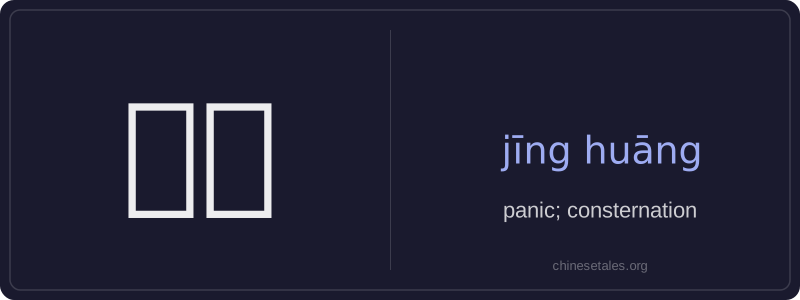
‘惊慌’ is a compound word formed by combining two characters that both express sudden emotional disturbance: 惊 (jīng) means 'to be startled' or 'alarmed', often by something unexpected, while 慌 (huāng) means 'to be flustered' or 'in disarray', especially mentally. Together, they intensify the sense of acute, uncontrolled fear — not just mild worry, but full-blown panic where rational thought is overwhelmed. It describes both the state itself (as a noun) and the quality of actions or reactions marked by that state (as an adjective).
This word is commonly used in contexts involving danger, emergencies, or sudden bad news — such as natural disasters, accidents, or alarming announcements. It often appears in written Chinese and formal speech, though it’s also frequent in spoken narratives describing crises. Unlike more neutral terms like 害怕 (fear), 惊慌 carries connotations of loss of composure and impulsive behavior — for example, people running aimlessly or shouting without thinking.
Example Sentences
Related Words
国语
‘Guó yǔ’ literally means 'national language'—
面条
‘面条’ (miàn tiáo) literally means ‘flour str
无论谁
‘无论谁’ (wú lùn shéi) is a pronoun meaning
不对
不对 (bù duì) literally combines 不 (bù), meani
外语
‘外语’ literally means ‘outside language’ —
认同
‘认同’ (tóng rèn) is a verb meaning ‘to ident
中学
'Zhōngxué' literally combines 'zhōng' (middle)
背后
背后 literally means 'back + behind' and functions