Word Explanation
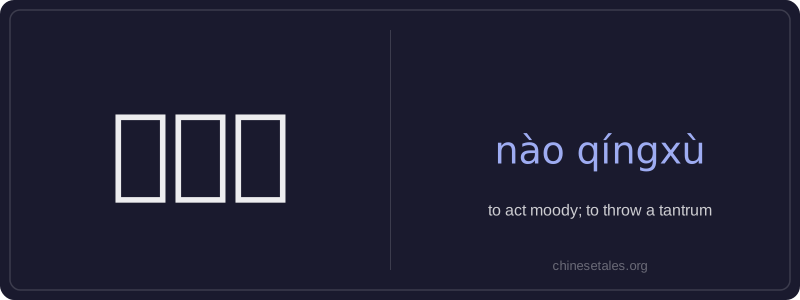
'闹情绪' literally combines '闹' (to make a fuss, cause disturbance), '情' (feeling/emotion), and '绪' (mood/state) — together meaning to display or act out negative emotions in an exaggerated, disruptive, or childish way. It describes behavior like sulking, pouting, withdrawing, or throwing a tantrum — often in response to disappointment, frustration, or perceived unfairness. Unlike neutral terms for feeling upset, '闹情绪' carries a subtle judgment: the person is seen as overreacting or failing to manage their feelings appropriately.
This phrase is commonly used in informal spoken Chinese, especially when describing children, teenagers, or adults in personal relationships. It implies a temporary, self-focused emotional display rather than clinical depression or serious distress. The verb is usually used intransitively (no object), and frequently appears with subjects like '他/她/孩子' followed by time phrases ('最近总在闹情绪') or result complements ('闹情绪闹了好几天').
Example Sentences
Related Words
国语
‘Guó yǔ’ literally means 'national language'—
面条
‘面条’ (miàn tiáo) literally means ‘flour str
无论谁
‘无论谁’ (wú lùn shéi) is a pronoun meaning
不对
不对 (bù duì) literally combines 不 (bù), meani
外语
‘外语’ literally means ‘outside language’ —
认同
‘认同’ (tóng rèn) is a verb meaning ‘to ident
中学
'Zhōngxué' literally combines 'zhōng' (middle)
背后
背后 literally means 'back + behind' and functions