Word Explanation
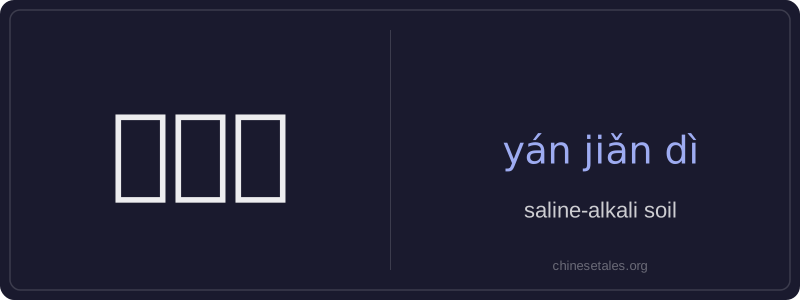
Saline-alkali soil (yán jiǎn dì) refers to land where high concentrations of soluble salts and alkaline substances—especially sodium carbonate and sodium bicarbonate—accumulate near the surface, making it difficult for most crops to grow. The word combines three characters: 盐 (yán, 'salt'), 碱 (jiǎn, 'alkali' or 'base'), and 地 (dì, 'land' or 'soil'). Together, they describe a specific type of degraded agricultural land characterized by poor fertility, low permeability, and often visible white crusts.
This term is commonly used in agriculture, environmental science, and land reclamation contexts—especially in northern and northwestern China, where arid climates and improper irrigation have led to widespread salinization. Farmers and researchers may refer to yán jiǎn dì when discussing soil remediation techniques like leaching, gypsum application, or planting salt-tolerant crops such as barley or certain halophytes.
Example Sentences
Related Words
国语
‘Guó yǔ’ literally means 'national language'—
面条
‘面条’ (miàn tiáo) literally means ‘flour str
无论谁
‘无论谁’ (wú lùn shéi) is a pronoun meaning
不对
不对 (bù duì) literally combines 不 (bù), meani
外语
‘外语’ literally means ‘outside language’ —
认同
‘认同’ (tóng rèn) is a verb meaning ‘to ident
中学
'Zhōngxué' literally combines 'zhōng' (middle)
背后
背后 literally means 'back + behind' and functions