Word Explanation
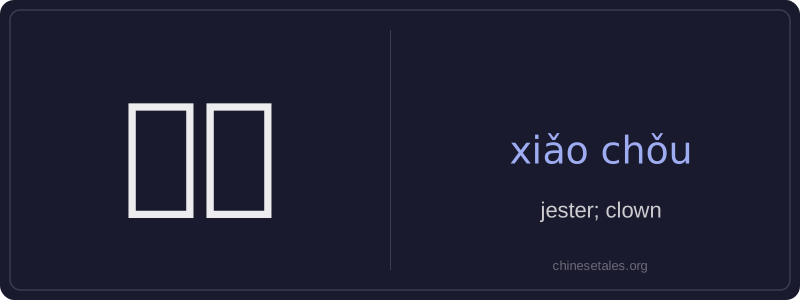
‘小丑’ literally combines ‘xiǎo’ (small) and ‘chǒu’ (ugly or grotesque), but as a compound noun it means ‘jester’ or ‘clown’—a performer who uses exaggerated makeup, costumes, and slapstick humor to entertain. Historically, ‘chǒu’ referred to comic roles in traditional Chinese opera, where actors wore distinctive white-faced makeup to signal humorous or foolish characters. Today, the term applies broadly to circus clowns, comedic performers in modern theater, or even metaphorical uses for someone acting foolishly.
Unlike Western ‘clown’ which often evokes red noses and oversized shoes, ‘小丑’ carries stronger connotations of theatrical tradition and intentional absurdity—not mere silliness. It’s neutral in tone when referring to performers, but can become mildly derogatory in informal speech when implying someone is making a fool of themselves. The word is rarely used for animals, despite ‘Animals’ being a secondary topic tag due to occasional metaphorical comparisons (e.g., calling a mischievous pet ‘like a little clown’).
Example Sentences
Related Words
国语
‘Guó yǔ’ literally means 'national language'—
面条
‘面条’ (miàn tiáo) literally means ‘flour str
无论谁
‘无论谁’ (wú lùn shéi) is a pronoun meaning
不对
不对 (bù duì) literally combines 不 (bù), meani
外语
‘外语’ literally means ‘outside language’ —
认同
‘认同’ (tóng rèn) is a verb meaning ‘to ident
中学
'Zhōngxué' literally combines 'zhōng' (middle)
背后
背后 literally means 'back + behind' and functions