Word Explanation
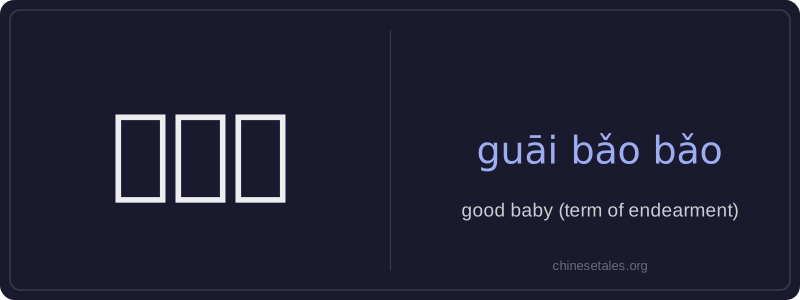
'Guāi bǎo bǎo' literally combines 乖 (guāi, 'well-behaved, obedient') and 宝宝 (bǎo bǎo, 'baby, darling'), forming an affectionate, gentle term of endearment used primarily for young children — especially when praising or soothing them. It conveys warmth, tenderness, and approval, similar to English phrases like 'good baby' or 'sweetheart' but with stronger nurturing nuance.
The term is commonly used by parents, grandparents, caregivers, or even teachers addressing toddlers or preschoolers. While it can occasionally be used playfully toward adults in very intimate relationships (e.g., between romantic partners), that usage is rare and context-sensitive. The repetition of 宝 emphasizes closeness and cherishing — much like reduplication in other Chinese terms of endearment (e.g., 小小、慢慢). It carries no negative or sarcastic connotation unless heavily intonated in specific ironic contexts, which beginners should avoid.
Example Sentences
Related Words
国语
‘Guó yǔ’ literally means 'national language'—
面条
‘面条’ (miàn tiáo) literally means ‘flour str
无论谁
‘无论谁’ (wú lùn shéi) is a pronoun meaning
不对
不对 (bù duì) literally combines 不 (bù), meani
外语
‘外语’ literally means ‘outside language’ —
认同
‘认同’ (tóng rèn) is a verb meaning ‘to ident
中学
'Zhōngxué' literally combines 'zhōng' (middle)
背后
背后 literally means 'back + behind' and functions