Word Explanation
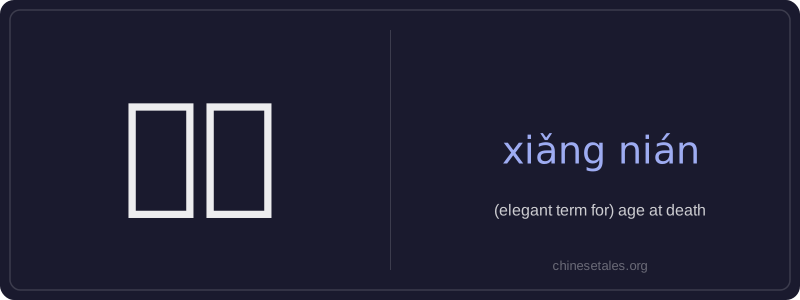
Xiǎng nián is a formal, respectful, and elegantly understated term used exclusively to state the age at which someone died. It literally combines xiǎng (to enjoy, to partake in) and nián (year), evoking the classical idea that the deceased 'enjoyed' a certain number of years in life — a gentle, dignified way to acknowledge mortality without blunt or somber phrasing.
This term appears almost exclusively in obituaries, memorial notices, epitaphs, and formal biographical summaries. It is never used for living people or in casual speech; doing so would sound bizarre or inappropriate. The number following xiǎng nián is always a cardinal number (e.g., 享年八十二岁), and the phrase typically appears after the person’s name and before or after other biographical details. Its tone is reverent and solemn, reflecting traditional Chinese values of respect for elders and the deceased.
Example Sentences
Related Words
国语
‘Guó yǔ’ literally means 'national language'—
面条
‘面条’ (miàn tiáo) literally means ‘flour str
无论谁
‘无论谁’ (wú lùn shéi) is a pronoun meaning
不对
不对 (bù duì) literally combines 不 (bù), meani
外语
‘外语’ literally means ‘outside language’ —
认同
‘认同’ (tóng rèn) is a verb meaning ‘to ident
中学
'Zhōngxué' literally combines 'zhōng' (middle)
背后
背后 literally means 'back + behind' and functions