Word Explanation
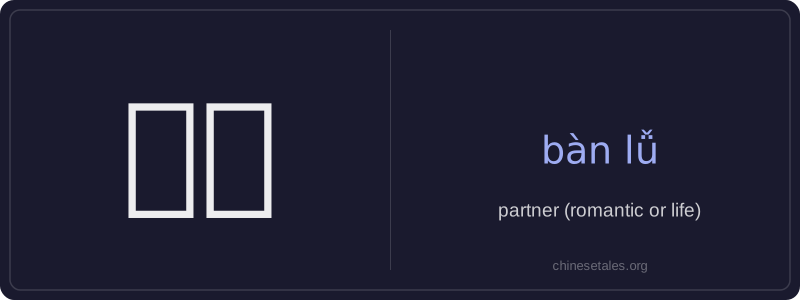
'Bàn lǚ' literally combines 'bàn' (to accompany, companion) and 'lǚ' (comrade, fellow), together meaning a close, committed partner—typically in a romantic or long-term life relationship. Unlike more casual terms like 'péng you' (friend), 'bàn lǚ' implies emotional intimacy, mutual support, and shared life goals. It is gender-neutral and used regardless of sexual orientation.
The term carries warmth and seriousness; it’s common in formal speech, media, legal documents (e.g., marriage certificates), and everyday conversation among adults. While it can occasionally refer to non-romantic companionship (e.g., in hiking or study contexts), that usage is rare and usually clarified by context—the default assumption is romantic or life partnership. It avoids the informality of 'nán péng you' or 'nǚ péng you' and the clinical tone of 'fū qī' (spouses), making it versatile yet respectful.
Example Sentences
Related Words
国语
‘Guó yǔ’ literally means 'national language'—
面条
‘面条’ (miàn tiáo) literally means ‘flour str
无论谁
‘无论谁’ (wú lùn shéi) is a pronoun meaning
不对
不对 (bù duì) literally combines 不 (bù), meani
外语
‘外语’ literally means ‘outside language’ —
认同
‘认同’ (tóng rèn) is a verb meaning ‘to ident
中学
'Zhōngxué' literally combines 'zhōng' (middle)
背后
背后 literally means 'back + behind' and functions