Word Explanation
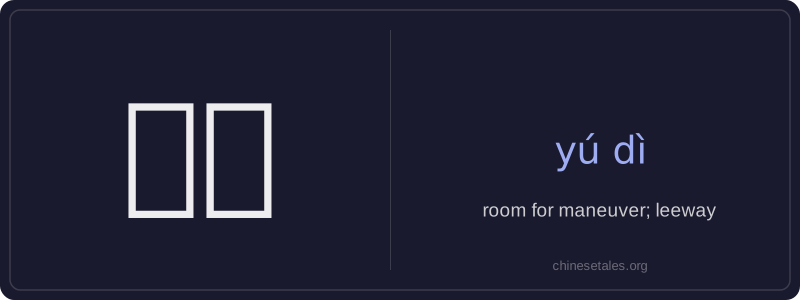
'余地' (yú dì) literally combines '余' (yú), meaning 'remaining' or 'leftover', and '地' (dì), meaning 'ground' or 'space'. Together, it metaphorically denotes 'room for maneuver' — the space or flexibility remaining in a situation to make adjustments, compromises, or further decisions. It’s abstract, not physical space, and often implies that a plan, schedule, budget, or negotiation hasn’t been fully committed yet.
This word is common in formal and semi-formal contexts: business discussions, project planning, academic advising, and everyday conversations about time or resources. You’ll hear it when someone suggests leaving options open — for example, keeping extra time before an appointment or reserving part of a budget for unexpected needs. It carries a pragmatic, thoughtful connotation — valuing flexibility over rigidity — and is rarely used in casual speech without context.
Example Sentences
Related Words
国语
‘Guó yǔ’ literally means 'national language'—
面条
‘面条’ (miàn tiáo) literally means ‘flour str
无论谁
‘无论谁’ (wú lùn shéi) is a pronoun meaning
不对
不对 (bù duì) literally combines 不 (bù), meani
外语
‘外语’ literally means ‘outside language’ —
认同
‘认同’ (tóng rèn) is a verb meaning ‘to ident
中学
'Zhōngxué' literally combines 'zhōng' (middle)
背后
背后 literally means 'back + behind' and functions