Word Explanation
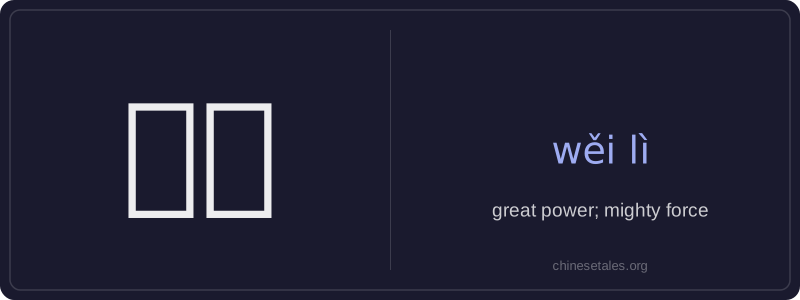
Wěi lì literally combines wěi (great, mighty, extraordinary) and lì (power, force, strength). Together, it denotes a profound, awe-inspiring power — often with connotations of grandeur, moral authority, or natural dominance. It’s more literary and formal than everyday words like lìliàng (strength), and appears frequently in political rhetoric, historical narratives, and descriptions of nature or heroic figures.
This term carries positive, elevated associations — rarely used for brute physical force alone. You’ll encounter it in phrases like 人民的伟力 (the great power of the people) or when describing the unstoppable force of tectonic shifts, ocean currents, or collective human effort. It implies both scale and dignity, and is seldom used in casual speech or to describe ordinary objects or individuals.
Example Sentences
Related Words
国语
‘Guó yǔ’ literally means 'national language'—
面条
‘面条’ (miàn tiáo) literally means ‘flour str
无论谁
‘无论谁’ (wú lùn shéi) is a pronoun meaning
不对
不对 (bù duì) literally combines 不 (bù), meani
外语
‘外语’ literally means ‘outside language’ —
认同
‘认同’ (tóng rèn) is a verb meaning ‘to ident
中学
'Zhōngxué' literally combines 'zhōng' (middle)
背后
背后 literally means 'back + behind' and functions