Word Explanation
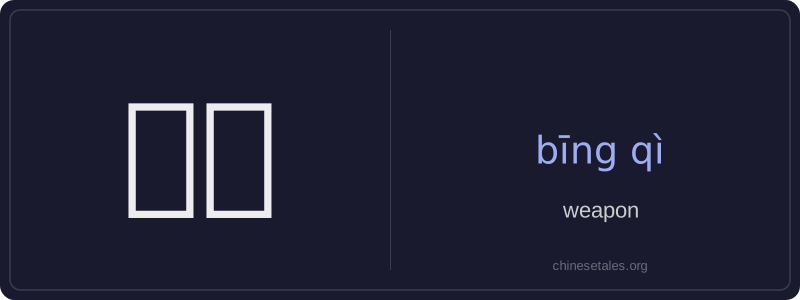
‘Bīng qì’ literally combines 兵 (bīng), meaning ‘soldier’ or ‘military’, and 器 (qì), meaning ‘tool’, ‘instrument’, or ‘device’. Together, they form a formal, literary term for ‘weapon’—especially traditional, military, or ceremonial arms such as swords, spears, bows, or armor. Unlike the more general and modern word 武器 (wǔqì), 兵器 carries historical and classical connotations, often appearing in contexts related to ancient Chinese warfare, martial arts history, museums, or historical novels.
This term is rarely used in everyday speech about modern firearms or personal defense items; instead, it evokes imagery of pre-modern combat and cultural heritage. It’s commonly found in compound terms like 兵器谱 (bīngqì pǔ, ‘catalogue of weapons’) or in museum labels describing artifacts from dynastic eras. Learners should recognize it primarily in written, academic, or historical settings rather than casual conversation.
Example Sentences
Related Words
国语
‘Guó yǔ’ literally means 'national language'—
面条
‘面条’ (miàn tiáo) literally means ‘flour str
无论谁
‘无论谁’ (wú lùn shéi) is a pronoun meaning
不对
不对 (bù duì) literally combines 不 (bù), meani
外语
‘外语’ literally means ‘outside language’ —
认同
‘认同’ (tóng rèn) is a verb meaning ‘to ident
中学
'Zhōngxué' literally combines 'zhōng' (middle)
背后
背后 literally means 'back + behind' and functions