Word Explanation
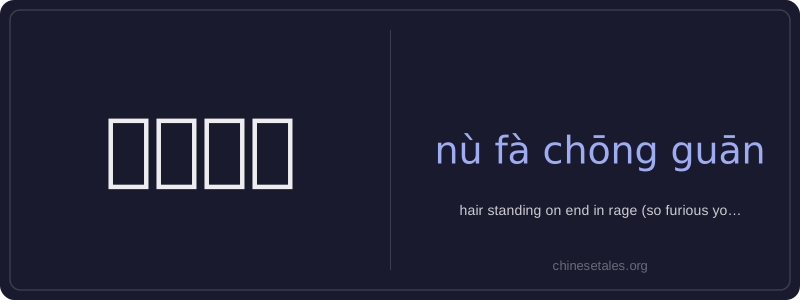
'Nù fà chōng guān' is a classical Chinese idiom literally meaning 'rage makes the hair stand up and push the hat upward.' It vividly depicts extreme, explosive anger — so intense that one’s hair seems to lift the ceremonial cap off the head. The four characters work together: 怒 (anger) is the emotional trigger; 发 (hair) is the physical reaction; 冲 (rush, surge) conveys forceful upward motion; and 冠 (ceremonial cap) provides the visual anchor for the hyperbolic image.
This idiom originates from historical accounts of righteous indignation, notably in the biography of General Lian Po during the Warring States period. Today, it appears mainly in literary, rhetorical, or dramatic contexts — such as speeches, essays, or historical dramas — to emphasize moral outrage or heroic fury. While not used in casual daily speech, it remains widely recognized and evokes strong cultural resonance when describing justified, towering wrath.
Example Sentences
Related Words
国语
‘Guó yǔ’ literally means 'national language'—
面条
‘面条’ (miàn tiáo) literally means ‘flour str
无论谁
‘无论谁’ (wú lùn shéi) is a pronoun meaning
不对
不对 (bù duì) literally combines 不 (bù), meani
外语
‘外语’ literally means ‘outside language’ —
认同
‘认同’ (tóng rèn) is a verb meaning ‘to ident
中学
'Zhōngxué' literally combines 'zhōng' (middle)
背后
背后 literally means 'back + behind' and functions