Word Explanation
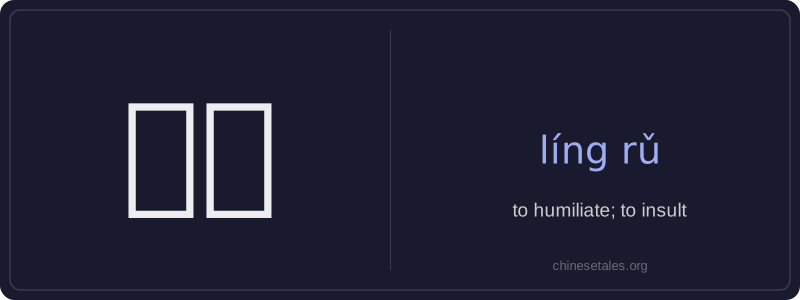
凌辱 is a formal, strong verb meaning 'to humiliate' or 'to insult' — often with connotations of deliberate, cruel, or abusive degradation. The first character 凌 (líng) originally means 'to rise above' or 'to overbear', suggesting dominance or oppression; the second character 辱 (rǔ) means 'disgrace' or 'shame'. Together, they convey the act of imposing shame on someone through abuse of power, mockery, or violation of dignity. It is commonly used in legal, historical, literary, or serious social contexts — for instance, describing wartime atrocities, workplace bullying, or systemic discrimination.
This word carries heavy moral and emotional weight and is rarely used in casual speech. It implies intentional harm to another’s self-respect and is frequently paired with nouns like 他人 (others), 妇女 (women), or 战俘 (prisoners of war). While similar to words like 侮辱, 凌辱 emphasizes coercion, vulnerability, and severity — often involving physical or psychological domination rather than mere verbal offense.
Example Sentences
Related Words
国语
‘Guó yǔ’ literally means 'national language'—
面条
‘面条’ (miàn tiáo) literally means ‘flour str
无论谁
‘无论谁’ (wú lùn shéi) is a pronoun meaning
不对
不对 (bù duì) literally combines 不 (bù), meani
外语
‘外语’ literally means ‘outside language’ —
认同
‘认同’ (tóng rèn) is a verb meaning ‘to ident
中学
'Zhōngxué' literally combines 'zhōng' (middle)
背后
背后 literally means 'back + behind' and functions