Word Explanation
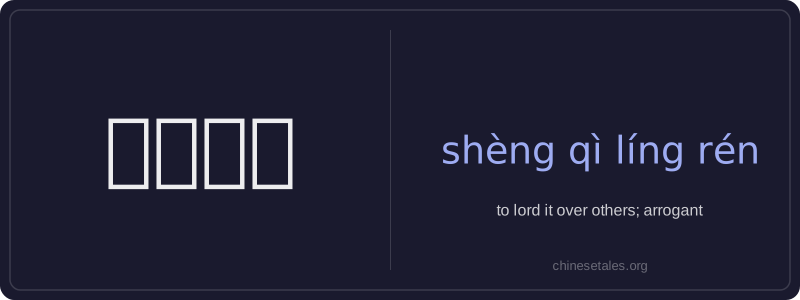
Shèng qì líng rén literally means 'to overwhelm others with overwhelming qi (vital energy or aura)', but figuratively describes someone who behaves in a domineering, haughty, and condescending way — as if their status, power, or confidence gives them the right to look down on others. The character 盛 suggests abundance or intensity (here, of arrogance), 气 refers to one’s bearing or demeanor, 凌 means 'to bully' or 'to overbear', and 人 is 'person'. Together, they evoke an image of someone puffing themselves up and pressing down on others.
This idiom is often used in formal or literary contexts to criticize self-important behavior — especially by people in positions of authority, such as bosses, officials, or elders who misuse their influence. It carries strong negative connotation and implies moral disapproval, not just mild rudeness. While it can describe individuals, it’s rarely used for groups or abstract entities. It’s commonly found in essays, news commentary, and moral instruction.
Example Sentences
Related Words
国语
‘Guó yǔ’ literally means 'national language'—
面条
‘面条’ (miàn tiáo) literally means ‘flour str
无论谁
‘无论谁’ (wú lùn shéi) is a pronoun meaning
不对
不对 (bù duì) literally combines 不 (bù), meani
外语
‘外语’ literally means ‘outside language’ —
认同
‘认同’ (tóng rèn) is a verb meaning ‘to ident
中学
'Zhōngxué' literally combines 'zhōng' (middle)
背后
背后 literally means 'back + behind' and functions