Word Explanation
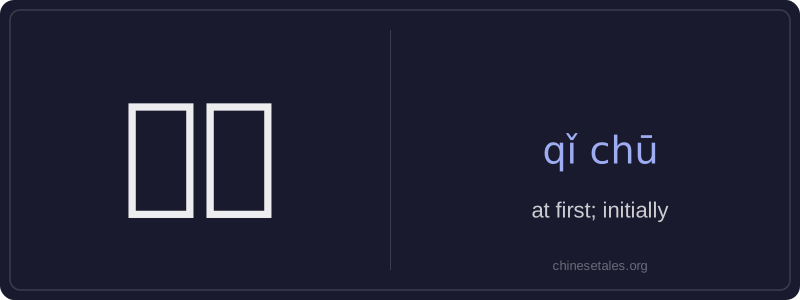
起初 is an adverb meaning 'at first' or 'initially', describing the beginning phase of a situation, process, or experience. It emphasizes how things were before they changed — often followed by a contrast with how things developed later (e.g., using words like 但是, 后来, or 可是). The character 起 means 'to rise' or 'to begin', and 初 means 'the beginning' or 'first instance'; together, they literally evoke 'the rising of the first stage'. It’s commonly used in both spoken and written Chinese, especially in narratives, personal reflections, or explanations of change over time.
This word typically appears at the start of a clause or sentence, though it can also follow a subject. It carries a neutral, slightly formal tone — more common in writing or thoughtful speech than in casual chit-chat (where people might say 一开始 instead). It does not modify verbs directly like some adverbs; rather, it sets the temporal frame for the whole clause, helping listeners understand the chronological order of events.
Example Sentences
Related Words
国语
‘Guó yǔ’ literally means 'national language'—
面条
‘面条’ (miàn tiáo) literally means ‘flour str
无论谁
‘无论谁’ (wú lùn shéi) is a pronoun meaning
不对
不对 (bù duì) literally combines 不 (bù), meani
外语
‘外语’ literally means ‘outside language’ —
认同
‘认同’ (tóng rèn) is a verb meaning ‘to ident
中学
'Zhōngxué' literally combines 'zhōng' (middle)
背后
背后 literally means 'back + behind' and functions