Word Explanation
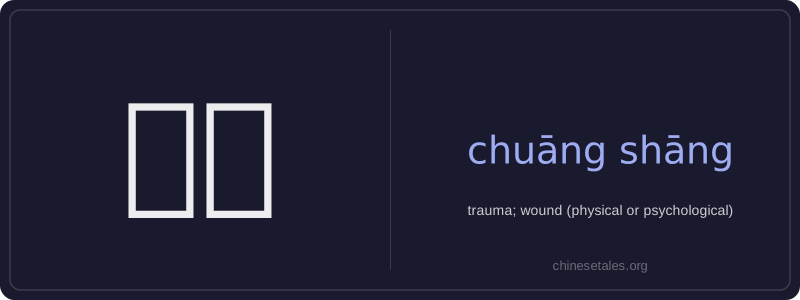
创伤 (chuāng shāng) is a noun meaning 'trauma' or 'wound', referring to both physical injuries (like cuts, burns, or surgical wounds) and deep psychological harm resulting from distressing events such as accidents, abuse, or loss. The first character 创 (chuāng) means 'injury' or 'wound' — distinct from the more common pronunciation chuàng ('to create') — while 伤 (shāng) means 'hurt', 'injury', or 'harm'. Together, they form a compound emphasizing serious, often lasting damage to body or mind.
This word appears frequently in medical contexts (e.g., trauma surgery), psychology (e.g., post-traumatic stress), and everyday speech when describing severe emotional pain. It carries a formal or clinical tone and is stronger than general terms like 伤口 (wound) or 伤心 (sadness). Unlike colloquial expressions, 创伤 implies severity and potential long-term impact, whether physical scarring or psychological disruption.
Example Sentences
Related Words
国语
‘Guó yǔ’ literally means 'national language'—
无论谁
‘无论谁’ (wú lùn shéi) is a pronoun meaning
面条
‘面条’ (miàn tiáo) literally means ‘flour str
外语
‘外语’ literally means ‘outside language’ —
不对
不对 (bù duì) literally combines 不 (bù), meani
认同
‘认同’ (tóng rèn) is a verb meaning ‘to ident
中学
'Zhōngxué' literally combines 'zhōng' (middle)
背后
背后 literally means 'back + behind' and functions