Word Explanation
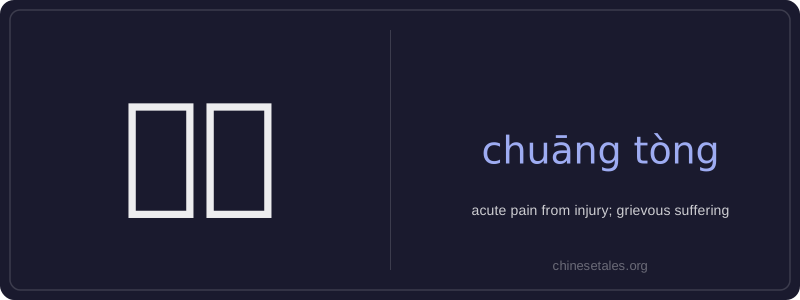
创痛 literally combines 创 (chuāng), meaning 'wound' or 'injury', and 痛 (tòng), meaning 'pain' or 'ache'. Together, they denote acute, physically or emotionally piercing pain resulting from injury—often implying both bodily harm and deep psychological suffering. Unlike general 疼痛 (téngtòng) or 痛苦 (tòngkǔ), 创痛 carries a stronger connotation of trauma, freshness, and severity, frequently appearing in literary, medical, or historical contexts to describe wounds that leave lasting scars—whether visible or emotional.
This word is commonly used to describe the immediate, sharp suffering following accidents, war injuries, or profound personal losses. It appears more often in formal writing, essays on national history, or clinical descriptions than in casual speech. While it can refer to physical injury, its frequent use in metaphorical expressions (e.g., ‘历史的创痛’) shows how deeply it resonates with collective or existential anguish—making it a nuanced term bridging physiology and psychology.
Example Sentences
Related Words
国语
‘Guó yǔ’ literally means 'national language'—
无论谁
‘无论谁’ (wú lùn shéi) is a pronoun meaning
面条
‘面条’ (miàn tiáo) literally means ‘flour str
外语
‘外语’ literally means ‘outside language’ —
不对
不对 (bù duì) literally combines 不 (bù), meani
认同
‘认同’ (tóng rèn) is a verb meaning ‘to ident
中学
'Zhōngxué' literally combines 'zhōng' (middle)
背后
背后 literally means 'back + behind' and functions