Word Explanation
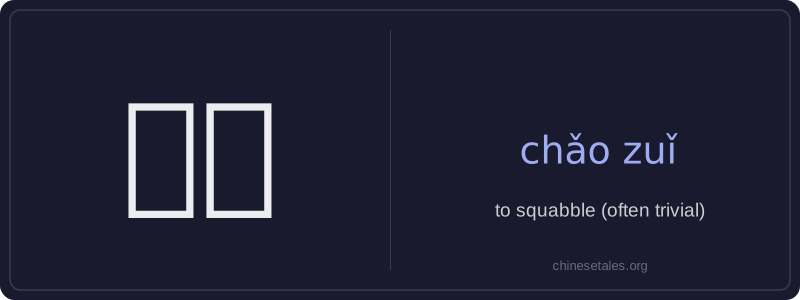
‘Chǎo zuǐ’ literally combines ‘chǎo’ (to quarrel, to argue) and ‘zuǐ’ (mouth), evoking the image of people using their mouths to bicker—often over small, unimportant matters. It describes a light, somewhat petty verbal dispute, usually between people who know each other well, like family members, spouses, or close friends. Unlike formal arguments or serious conflicts (e.g., 争吵 chǎo zhēng), 吵嘴 carries a tone of familiarity and mildness; it’s rarely used for hostile or public confrontations.
This phrase is commonly heard in everyday spoken Chinese and appears frequently in dialogues, TV dramas, and informal writing. It implies repetition or habituation—people who 吵嘴 often do so regularly but reconcile quickly. The verb does not take an object directly; instead, it’s typically used intransitively or with prepositional phrases like ‘跟…吵嘴’ (to squabble with someone). It’s neutral in register—not rude, but not especially polite either—so best avoided in formal or professional settings.
Example Sentences
Related Words
国语
‘Guó yǔ’ literally means 'national language'—
无论谁
‘无论谁’ (wú lùn shéi) is a pronoun meaning
外语
‘外语’ literally means ‘outside language’ —
面条
‘面条’ (miàn tiáo) literally means ‘flour str
不对
不对 (bù duì) literally combines 不 (bù), meani
认为
‘认为’ (rèn wéi) is a transitive verb meaning
认同
‘认同’ (tóng rèn) is a verb meaning ‘to ident
中学
'Zhōngxué' literally combines 'zhōng' (middle)