Word Explanation
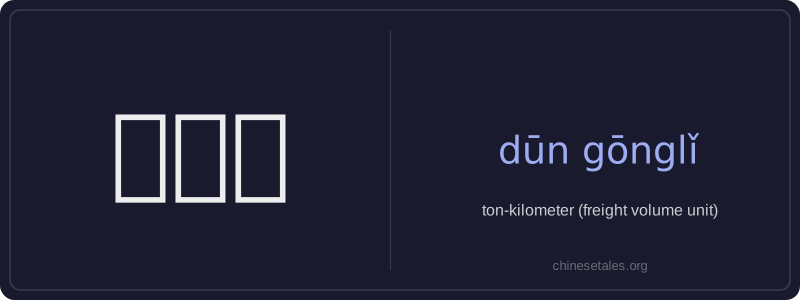
'Ton-kilometer' is a standard unit for measuring freight transport volume, calculated by multiplying the weight of cargo (in metric tons) by the distance it is carried (in kilometers). The term combines three characters: 吨 (dūn), meaning 'ton'; 公 (gōng), short for 公制 (gōngzhì, 'metric system'); and 里 (lǐ), an old Chinese unit for distance—but here it's used as part of the compound 公里 (gōnglǐ, 'kilometer'), not the traditional 'li'. Despite the character 里, this unit is fully metric and widely used in logistics, transportation planning, and national statistics in China.
This unit helps compare efficiency across different transport modes—e.g., rail versus road—and appears frequently in government reports, freight contracts, and economic analyses. It reflects total work done by transport systems rather than just volume or distance alone, making it essential for infrastructure investment decisions and carbon emission calculations related to goods movement.
Example Sentences
Related Words
国语
‘Guó yǔ’ literally means 'national language'—
无论谁
‘无论谁’ (wú lùn shéi) is a pronoun meaning
外语
‘外语’ literally means ‘outside language’ —
面条
‘面条’ (miàn tiáo) literally means ‘flour str
不对
不对 (bù duì) literally combines 不 (bù), meani
认为
‘认为’ (rèn wéi) is a transitive verb meaning
认同
‘认同’ (tóng rèn) is a verb meaning ‘to ident
中学
'Zhōngxué' literally combines 'zhōng' (middle)