Word Explanation
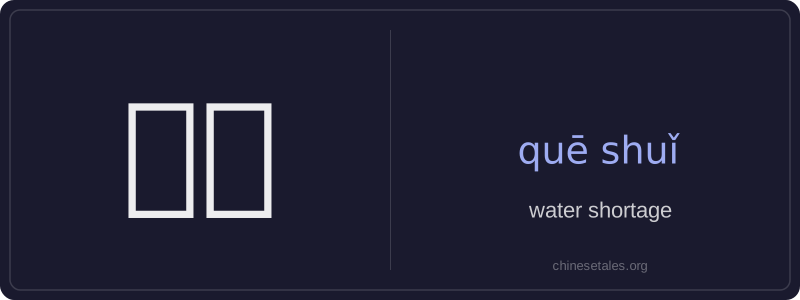
缺水 literally means 'lacking water' — 缺 (quē) means 'to lack' or 'to be short of', and 水 (shuǐ) means 'water'. Together, they form a compound noun meaning 'water shortage' or 'dehydration', depending on context. When referring to regions, infrastructure, or the environment, 缺水 describes insufficient water supply — for example, due to drought, poor management, or overuse. It’s commonly used in news reports, policy discussions, and environmental education.
In medical or daily life contexts, 缺水 often means 'dehydration' — a physiological condition where the body loses more water than it takes in, leading to symptoms like thirst, dizziness, or dry mouth. Unlike the English word 'drought', which applies only to prolonged natural dryness, 缺水 is broader: it can describe both systemic scarcity (e.g., in cities or farmland) and personal health conditions. It’s neutral in register and widely understood across formal and informal speech.
Example Sentences
Related Words
国语
‘Guó yǔ’ literally means 'national language'—
面条
‘面条’ (miàn tiáo) literally means ‘flour str
无论谁
‘无论谁’ (wú lùn shéi) is a pronoun meaning
背后
背后 literally means 'back + behind' and functions
外语
‘外语’ literally means ‘outside language’ —
认同
‘认同’ (tóng rèn) is a verb meaning ‘to ident
中学
'Zhōngxué' literally combines 'zhōng' (middle)
认为
‘认为’ (rèn wéi) is a transitive verb meaning