Word Explanation
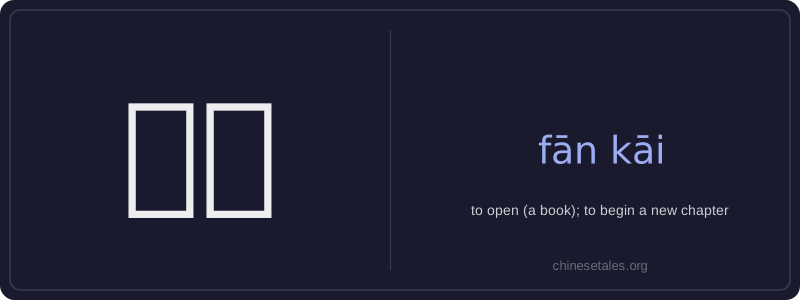
翻开 literally combines 翻 (fān, 'to flip' or 'to turn over') and 开 (kāi, 'to open'). Together, it means 'to open (a book or page)' — specifically by turning the cover or a page to begin reading. It emphasizes the physical action of starting to access content, especially in printed materials like books, notebooks, or newspapers.
Beyond its literal meaning, 翻开 is also used metaphorically to indicate the beginning of a new phase or chapter in life — for example, '翻开人生的新一页' ('turn over a new leaf in life'). This figurative usage is common in speeches, writing, and inspirational contexts. Unlike generic verbs like 打开 (to open something physically), 翻开 implies intentionality, transition, and often a sense of significance or freshness.
Example Sentences
Related Words
国语
‘Guó yǔ’ literally means 'national language'—
面条
‘面条’ (miàn tiáo) literally means ‘flour str
无论谁
‘无论谁’ (wú lùn shéi) is a pronoun meaning
背后
背后 literally means 'back + behind' and functions
外语
‘外语’ literally means ‘outside language’ —
认同
‘认同’ (tóng rèn) is a verb meaning ‘to ident
中学
'Zhōngxué' literally combines 'zhōng' (middle)
认为
‘认为’ (rèn wéi) is a transitive verb meaning