Word Explanation
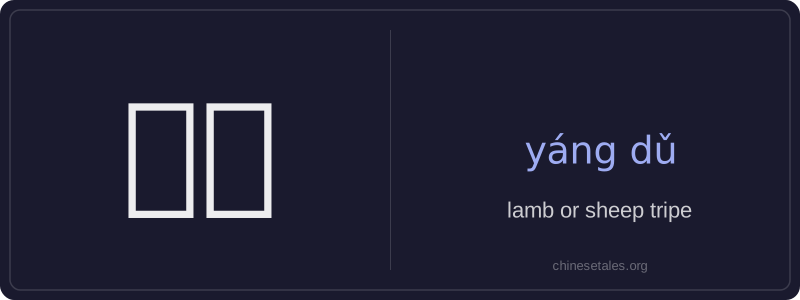
羊肚 (yáng dǔ) literally means 'sheep stomach' and refers specifically to the edible stomach lining of sheep or lamb — commonly known in English as tripe. The first character, 羊 (yáng), means 'sheep' or 'lamb', while 肚 (dǔ) means 'stomach' or 'belly'. Unlike the more general term 肚子 (dùzi), which refers to the abdomen or belly in everyday speech, 肚 (dǔ) in compound words like this one carries a formal or culinary meaning.
This word is used almost exclusively in food-related contexts — especially in traditional Chinese cuisine, where sheep tripe is prized for its chewy texture and rich flavor. It appears frequently in hotpot, soups, stir-fries, and cold appetizers, particularly in northern and northwestern regions of China. Though it may sound unappetizing to newcomers, 羊肚 is considered a delicacy and nutrient-rich ingredient, often paired with vinegar, garlic, or chili oil to enhance its taste.
Example Sentences
Related Words
国语
‘Guó yǔ’ literally means 'national language'—
面条
‘面条’ (miàn tiáo) literally means ‘flour str
无论谁
‘无论谁’ (wú lùn shéi) is a pronoun meaning
背后
背后 literally means 'back + behind' and functions
外语
‘外语’ literally means ‘outside language’ —
认同
‘认同’ (tóng rèn) is a verb meaning ‘to ident
中学
'Zhōngxué' literally combines 'zhōng' (middle)
见面
见面 literally means 'see face' — combining 见 (t