Word Explanation
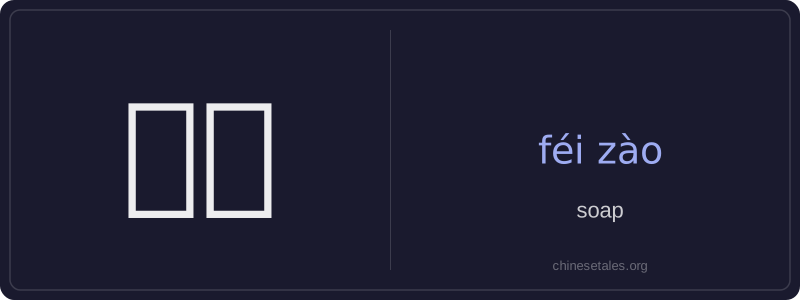
肥皂 (féi zào) literally combines 肥 (féi, 'fat') and 皂 (zào, 'soap' or 'detergent'), reflecting its historical origin: traditional soap was made by combining animal fat with alkaline ash. Today, it refers to solid cleansing bars used for washing hands, body, or clothes — though modern versions are often synthetic and fat-free. It’s a common household item in daily hygiene routines across China and other Chinese-speaking regions.
The word is neutral in register and widely understood in both formal and informal contexts. While liquid cleansers are increasingly popular, 肥皂 remains the default term for bar soap; it’s rarely used metaphorically or idiomatically. In compound terms like 洗衣肥皂 (xǐyī féi zào, 'laundry soap') or 香皂 (xiāng zào, 'scented soap'), it retains its core meaning but specifies function or quality.
Example Sentences
Related Words
国语
‘Guó yǔ’ literally means 'national language'—
面条
‘面条’ (miàn tiáo) literally means ‘flour str
背后
背后 literally means 'back + behind' and functions
无论谁
‘无论谁’ (wú lùn shéi) is a pronoun meaning
中学
'Zhōngxué' literally combines 'zhōng' (middle)
外语
‘外语’ literally means ‘outside language’ —
认同
‘认同’ (tóng rèn) is a verb meaning ‘to ident
不对
不对 (bù duì) literally combines 不 (bù), meani