Word Explanation
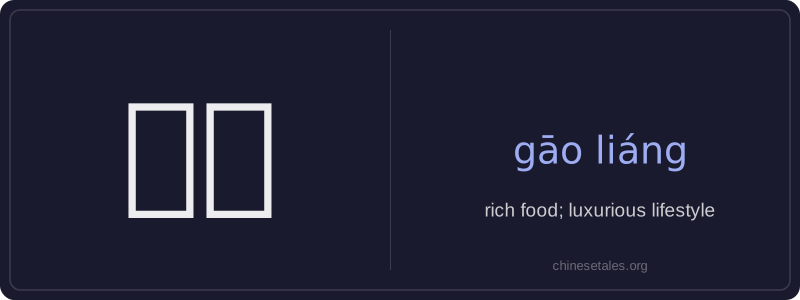
膏粱 (gāo liáng) literally combines 膏 (gāo), meaning 'rich fat' or 'greasy substance', and 粱 (liáng), an ancient term for high-quality millet — a staple grain in classical China. Together, they evoke refined, sumptuous food historically associated with aristocratic banquets and elite consumption. The term carries strong connotations of luxury, indulgence, and sometimes moral decadence, especially when contrasted with simple or rustic living.
In modern usage, 膏粱 is rarely used to describe actual food; instead, it functions as a literary or rhetorical term referring to a life of excessive comfort and material privilege. It often appears in idioms like 膏粱子弟 (gāo liáng zǐ dì), meaning 'spoiled scions of wealthy families', or in critiques of hedonism and social inequality. Its tone is formal and slightly critical or nostalgic, making it common in essays, historical fiction, and political commentary.
Example Sentences
Related Words
国语
‘Guó yǔ’ literally means 'national language'—
面条
‘面条’ (miàn tiáo) literally means ‘flour str
无论谁
‘无论谁’ (wú lùn shéi) is a pronoun meaning
背后
背后 literally means 'back + behind' and functions
外语
‘外语’ literally means ‘outside language’ —
认为
‘认为’ (rèn wéi) is a transitive verb meaning
认同
‘认同’ (tóng rèn) is a verb meaning ‘to ident
中学
'Zhōngxué' literally combines 'zhōng' (middle)