Word Explanation
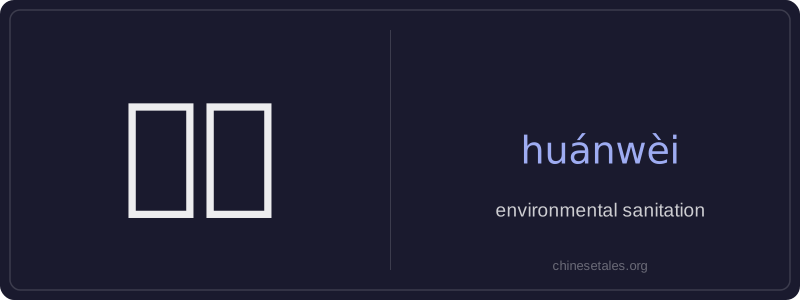
‘环卫’ is a compound noun formed from 环 (huán, meaning 'environment' or 'surrounding') and 卫 (wèi, meaning 'to guard' or 'to protect'). Together, they literally mean 'guarding the environment', and refer specifically to environmental sanitation — the work of keeping public spaces clean, including street sweeping, garbage collection, waste management, and public toilet maintenance. It is commonly used in official, administrative, and media contexts in China.
The term often appears in phrases like 环卫工人 (huánwèi gōngrén, 'sanitation worker') or 环卫部门 (huánwèi bùmén, 'environmental sanitation department'). While it sounds formal, it’s widely understood by native speakers and frequently seen on signs, government notices, and news reports about urban management and public hygiene. It does not refer to ecological conservation broadly, but specifically to municipal cleanliness operations.
Example Sentences
Related Words
国语
‘Guó yǔ’ literally means 'national language'—
面条
‘面条’ (miàn tiáo) literally means ‘flour str
无论谁
‘无论谁’ (wú lùn shéi) is a pronoun meaning
外语
‘外语’ literally means ‘outside language’ —
认同
‘认同’ (tóng rèn) is a verb meaning ‘to ident
不对
不对 (bù duì) literally combines 不 (bù), meani
中学
'Zhōngxué' literally combines 'zhōng' (middle)
背后
背后 literally means 'back + behind' and functions