Word Explanation
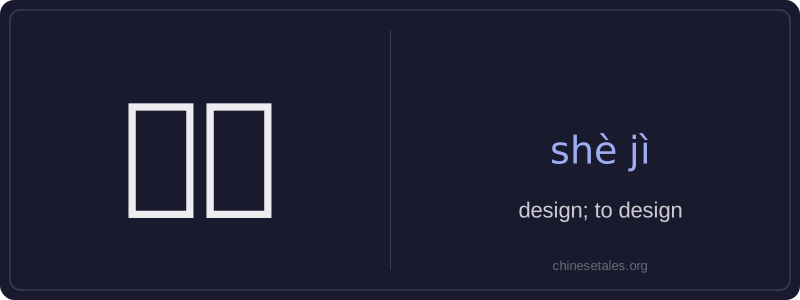
设计 (shè jì) means 'design' as a noun and 'to design' as a verb. It combines 设 (shè), meaning 'to set up' or 'to establish', and 计 (jì), meaning 'plan' or 'scheme'. Together, they convey the idea of deliberately planning and creating something with purpose—whether it’s a building, a logo, a website, or even a curriculum. The word emphasizes intentionality, structure, and aesthetic or functional thinking.
This term is widely used in professional, academic, and everyday contexts: architects design buildings, graphic designers create logos, teachers design lesson plans, and even students may design science fair projects. While it often implies creativity and technical skill, it can also refer to abstract planning—like designing a strategy or policy. It’s neutral in register, appropriate in both formal reports and casual conversation when discussing intentional creation or planning.
Example Sentences
Related Words
国语
‘Guó yǔ’ literally means 'national language'—
面条
‘面条’ (miàn tiáo) literally means ‘flour str
无论谁
‘无论谁’ (wú lùn shéi) is a pronoun meaning
外语
‘外语’ literally means ‘outside language’ —
认同
‘认同’ (tóng rèn) is a verb meaning ‘to ident
不对
不对 (bù duì) literally combines 不 (bù), meani
中学
'Zhōngxué' literally combines 'zhōng' (middle)
背后
背后 literally means 'back + behind' and functions