Word Explanation
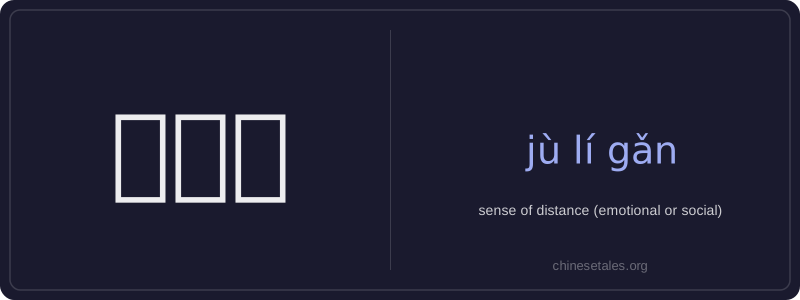
'距离感' (jù lí gǎn) literally combines 'distance' (距 + 离) and 'feeling/sense' (感), forming a noun that describes an emotional or psychological sense of separation between people—not physical space, but interpersonal detachment, reserve, or lack of closeness. It often implies a subtle, unspoken barrier in relationships, whether due to personality differences, cultural norms, social roles, or past experiences.
This term is commonly used in psychology, relationship discussions, literature, and everyday commentary on social dynamics. Unlike the neutral 'distance' (距离), 距离感 carries evaluative weight—it can be positive (e.g., respectful personal boundaries) or negative (e.g., coldness or alienation). It’s frequently modified by adjectives like '强烈的' (strong), '微妙的' (subtle), or '自然的' (natural), and appears in contexts ranging from workplace interactions to romantic relationships and family communication.
Example Sentences
Related Words
国语
‘Guó yǔ’ literally means 'national language'—
面条
‘面条’ (miàn tiáo) literally means ‘flour str
无论谁
‘无论谁’ (wú lùn shéi) is a pronoun meaning
不对
不对 (bù duì) literally combines 不 (bù), meani
外语
‘外语’ literally means ‘outside language’ —
认同
‘认同’ (tóng rèn) is a verb meaning ‘to ident
中学
'Zhōngxué' literally combines 'zhōng' (middle)
背后
背后 literally means 'back + behind' and functions