Word Explanation
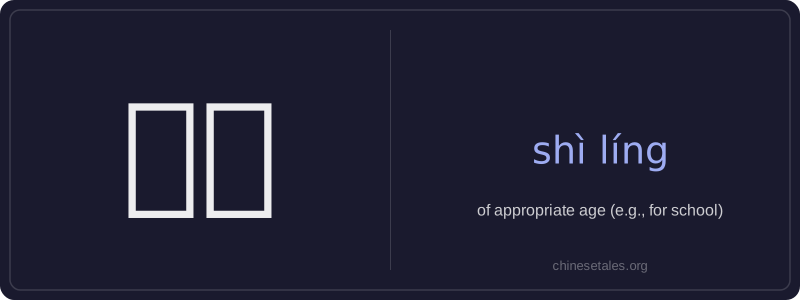
适龄 (shì líng) is an adjective meaning 'of appropriate age'—typically referring to the age at which someone meets official or societal requirements for a particular activity, such as starting school, getting married, or receiving certain medical services. The character 适 means 'suitable' or 'appropriate', and 龄 means 'age' or 'years of age'; together they form a compound describing age-based eligibility.
This term is commonly used in formal, administrative, and educational contexts—for example, in government documents, school enrollment notices, or public health campaigns. It often appears in phrases like 适龄儿童 (shì líng ér tóng, 'school-age children') or 适龄婚育 (shì líng hūn yù, 'marriage and childbearing at the appropriate age'). While it carries a neutral, factual tone, it can sometimes imply social expectation or policy compliance, so context matters for nuance.
Example Sentences
Related Words
国语
‘Guó yǔ’ literally means 'national language'—
面条
‘面条’ (miàn tiáo) literally means ‘flour str
无论谁
‘无论谁’ (wú lùn shéi) is a pronoun meaning
不对
不对 (bù duì) literally combines 不 (bù), meani
外语
‘外语’ literally means ‘outside language’ —
认同
‘认同’ (tóng rèn) is a verb meaning ‘to ident
中学
'Zhōngxué' literally combines 'zhōng' (middle)
背后
背后 literally means 'back + behind' and functions