Word Explanation
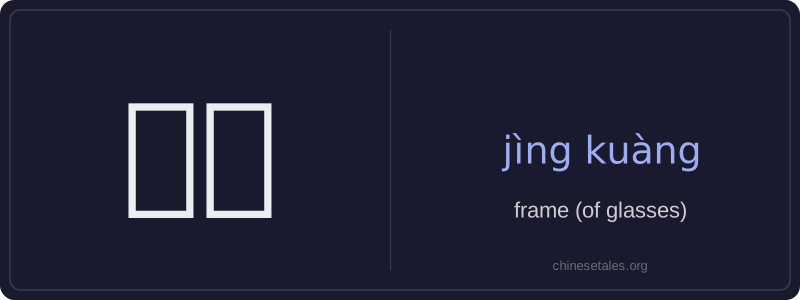
‘镜框’ literally means ‘mirror frame’, but in modern Chinese it almost exclusively refers to the frame of eyeglasses — the part that holds the lenses and rests on the nose and ears. The first character, 镜 (jìng), means ‘mirror’ or ‘lens’, reflecting its origin in optical devices; the second, 框 (kuàng), means ‘frame’ or ‘border’, emphasizing structure and enclosure. Together, they form a compound noun specifying the physical support structure of corrective or decorative glasses.
This word is commonly used in optometry clinics, eyewear shops, and everyday conversation about vision correction or fashion accessories. It’s distinct from ‘镜片’ (jìngpiàn), which refers only to the lenses themselves. While ‘镜框’ can technically describe frames for mirrors or photos, such usage is rare and usually clarified by context — in unmarked contexts, it always means ‘glasses frame’.
Example Sentences
Related Words
国语
‘Guó yǔ’ literally means 'national language'—
面条
‘面条’ (miàn tiáo) literally means ‘flour str
无论谁
‘无论谁’ (wú lùn shéi) is a pronoun meaning
不对
不对 (bù duì) literally combines 不 (bù), meani
外语
‘外语’ literally means ‘outside language’ —
认同
‘认同’ (tóng rèn) is a verb meaning ‘to ident
中学
'Zhōngxué' literally combines 'zhōng' (middle)
背后
背后 literally means 'back + behind' and functions